Innovation Driven Green Future: Solar Carport System with Vertical Panel Design Officially Completed
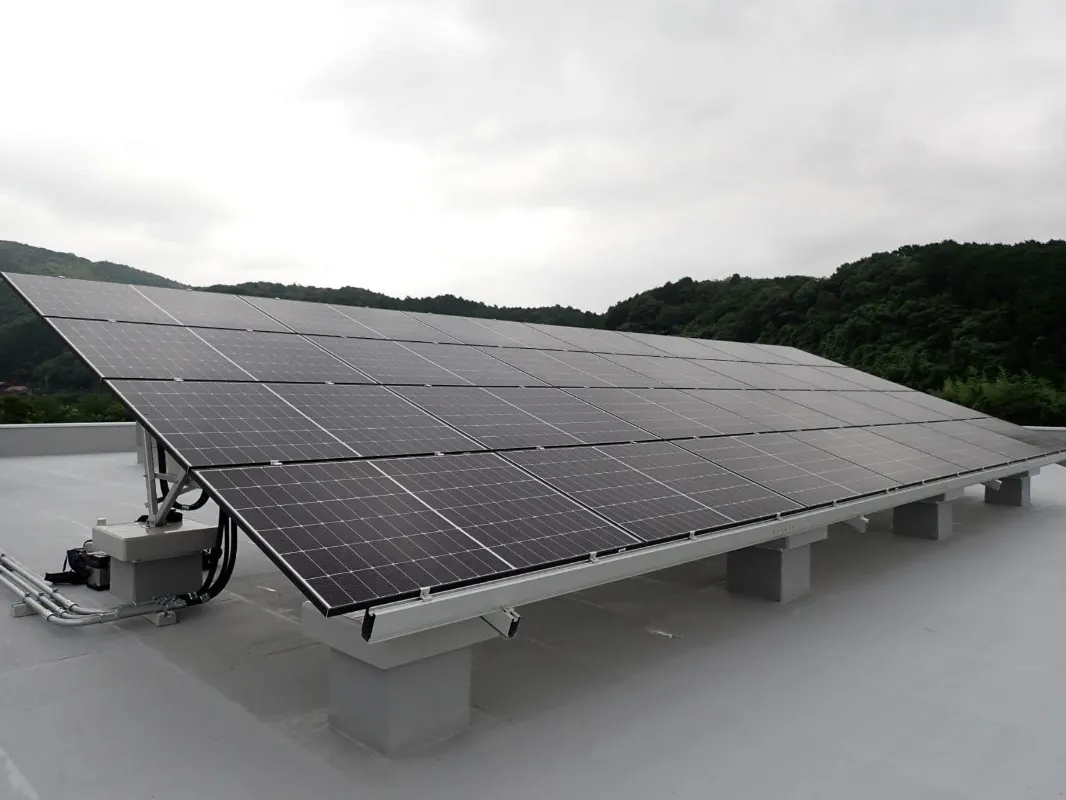
With the final solar panel installed, the integrated “solar carport mounting system + vertical panel” project was officially declared fully completed today. This new urban infrastructure, combining cutting-edge technology, green power generation, smart management, and practical functionality, sets a new benchmark for efficient and green utilization of urban space through its groundbreaking design concept and outstanding comprehensive performance.

A Wisdom Framework Combining Rigidity and Flexibility
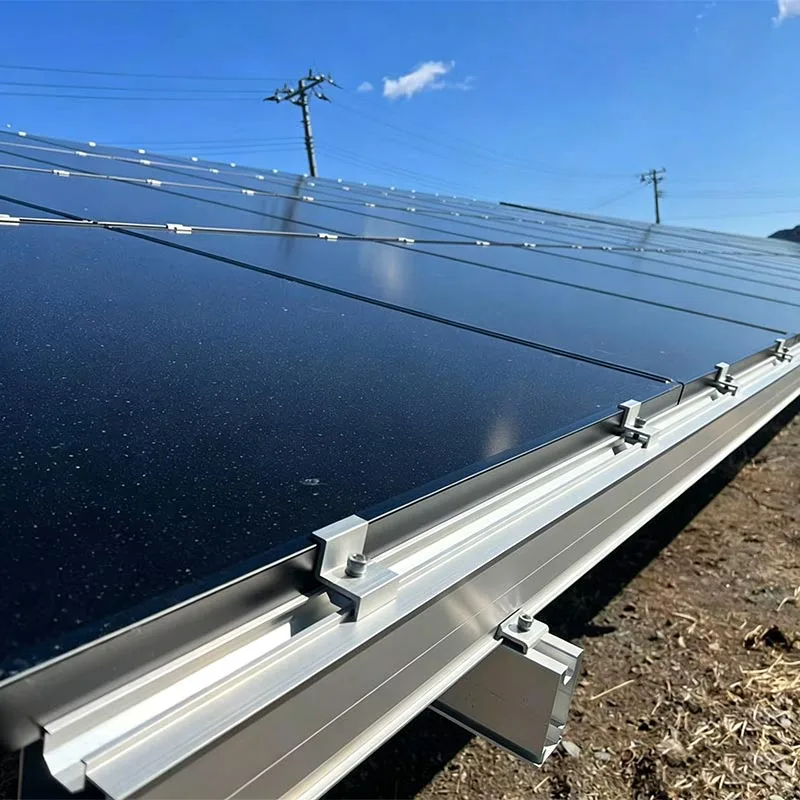
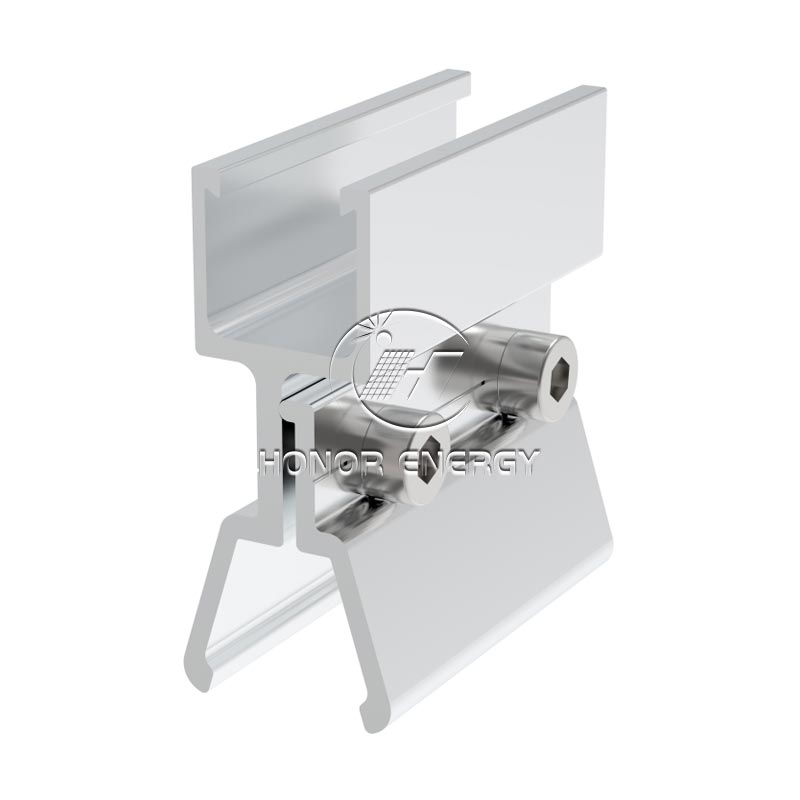
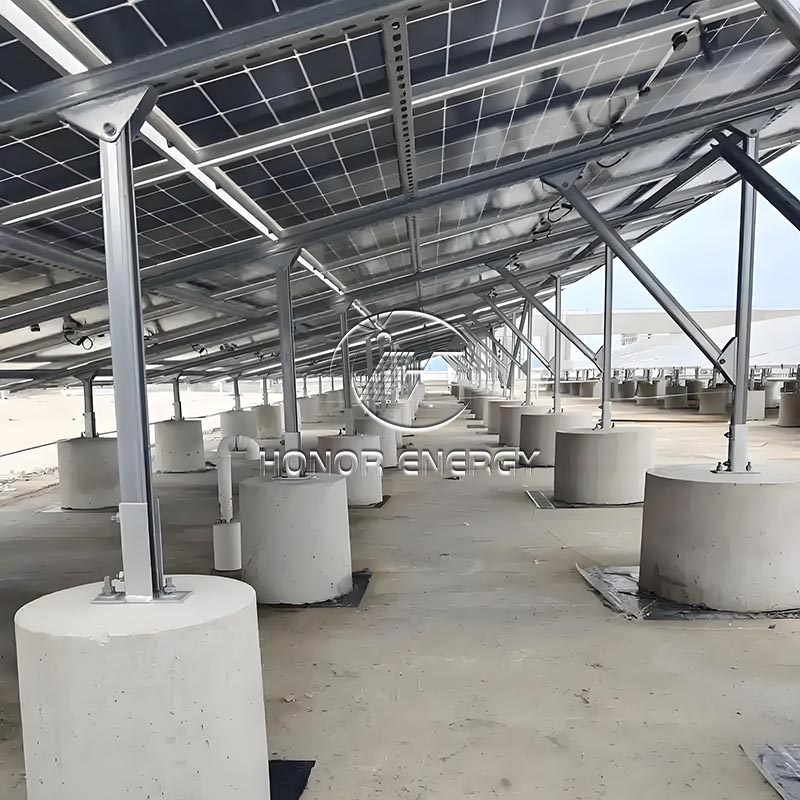
The project employs a proprietary photovoltaic carport support system. It is mainly made of very strong carbon steel. We build it using ready-made parts and smart ways to put it together. This makes the construction 40% faster than the old ways. Its special design can handle very strong winds and heavy snow that might only happen once every 50 years. This makes it one of the safest in the business.

From “Single Plane” to “Three-Dimensional Matrix”
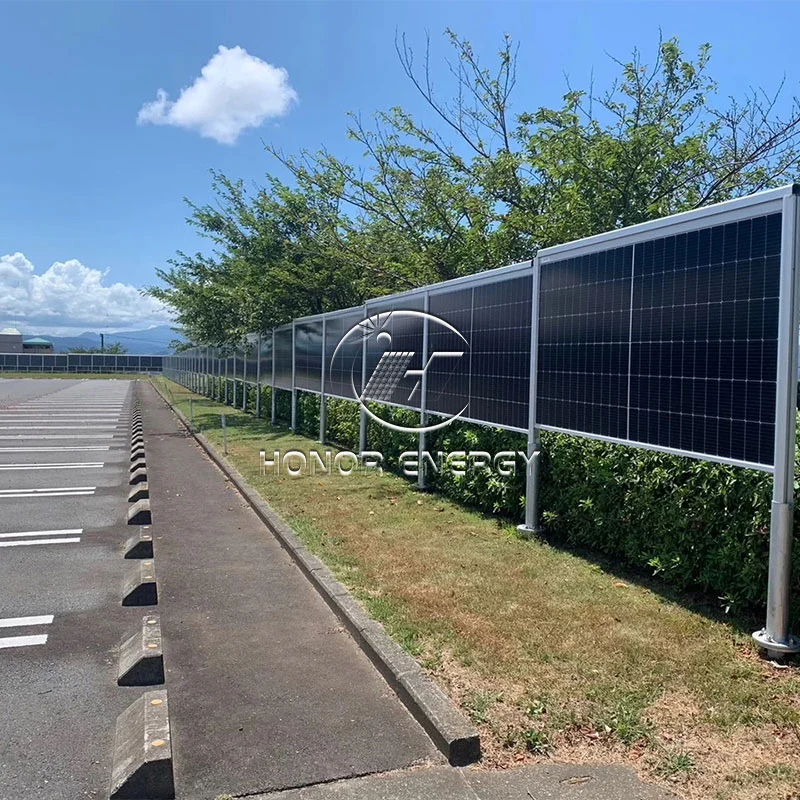
The project's revolutionary breakthrough lies in the deep development of vertical space. Large-scale solar modules are innovatively installed on vertical, forming a “vertical solar curtain wall.” This design delivers three core benefits:
1.These special solar panels can catch sunlight from top and side. They use direct sun from above, and also light that bounces up from the ground and cars. This works well in the morning and evening when the sun is not a vertical angle to the panel. Altogether, this lets the system make electricity for about 3 more hours each day. Because of this, we expect the whole project to produce 25% to 30% more power.
2.Thermal Management Optimization: Vertical panels effectively block east-west solar radiation, reducing interior temperatures by 8-10°C during summer. This would let car temperature down.
3. Spatial Aesthetics: The uniform dark solar panel wall lends functional facilities a modern, technological visual appeal, creating a striking green landscape feature within the campus.

Highly Exemplary for Society
“Roof + vertical surface” solar carport project, it provides a zero-carbon solution model for densely populated urban areas—particularly industrial parks, logistics hubs, commercial complexes, transportation centers, and large public buildings. This project vividly demonstrates that through technological innovation, passive urban spaces like parking lots can be transformed into active energy production centers.

Ushering in the New Era of BIPV 2.0
People in the industry say this project's success is a big step forward. It shows that solar technology is no longer just something we simply add onto roofs. Now, it's entering a new phase — we can think of it as "Solar 2.0." In this new phase, the solar panels themselves become a deep part of the building's structure, design, and function, like the walls or the shading system. It is not merely a power generation facility but a new form of green plan that combines shading, energy efficiency, electricity generation, carbon reduction, and aesthetic appeal.

Related News
- The IGEM Exhibition in Malaysia
- Strong Market Demand for Solar Aluminum R Type Rail
- Flexible PV Mounts Lead Global Agri & Complex Terrain Projects
- 12MW Ground-mounted PV Support Shipment Finished
- 100 Solar Towers in Kenya: How SOLARFARM is Saving 1.2M Liters of Diesel Annually
- Wrapping Up Solar & Storage Live Philippines 2026
Leave me a message