Breaking Through Snow, Facing the Sun, Steadily Supporting Solar Energy | Successful Completion of 6MW High-Voltage Ground-Mount Project in High‑Cold, Heavy‑Snow Region
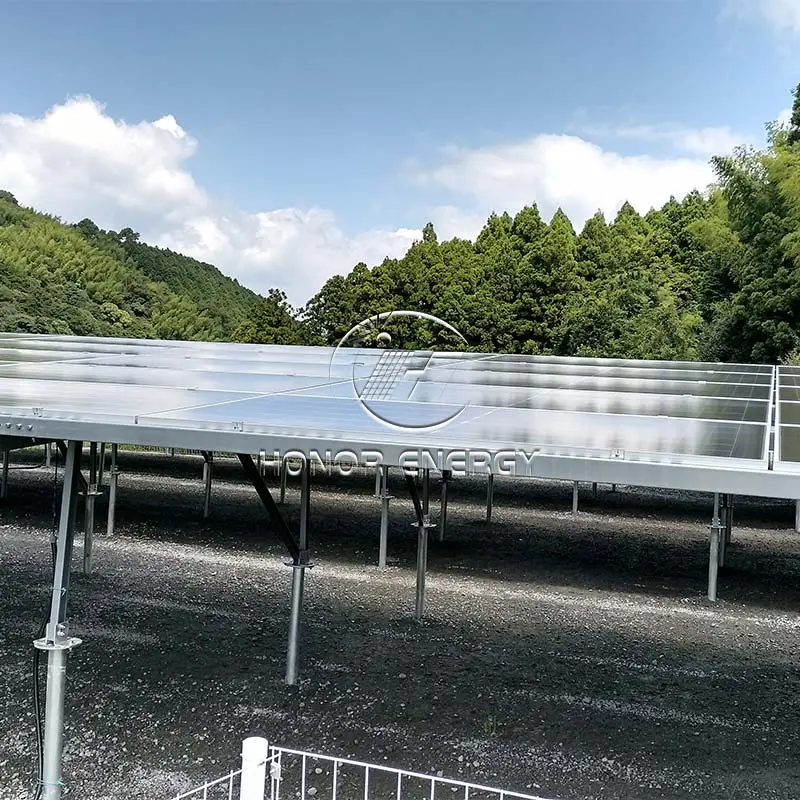
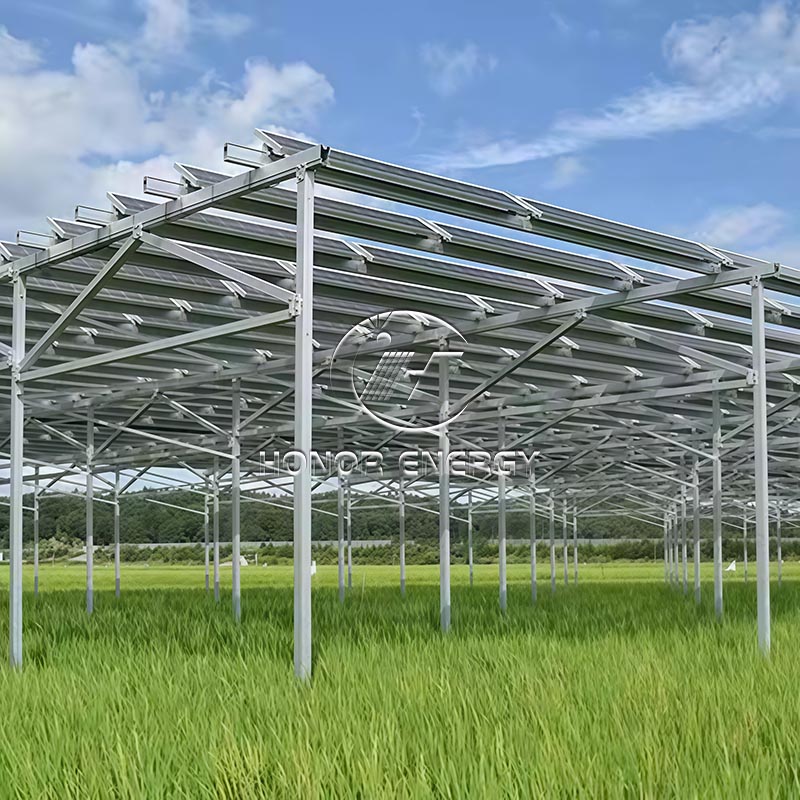
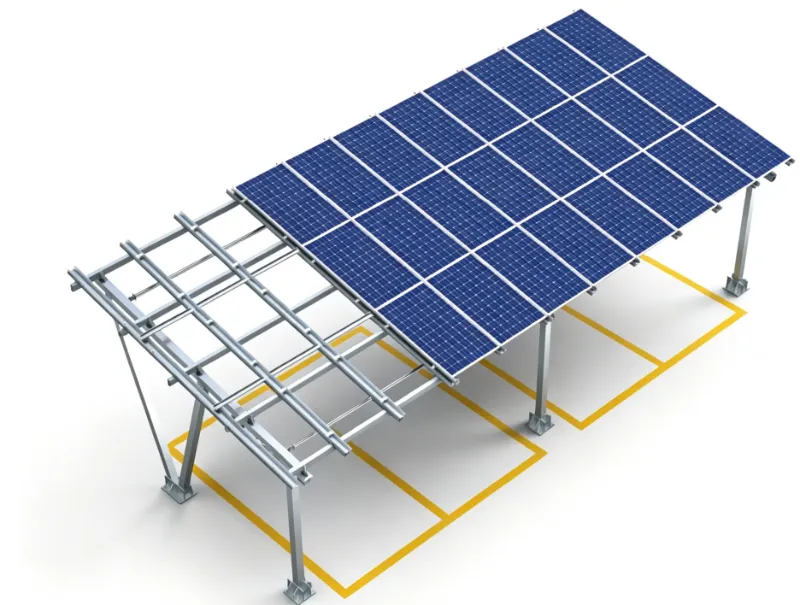
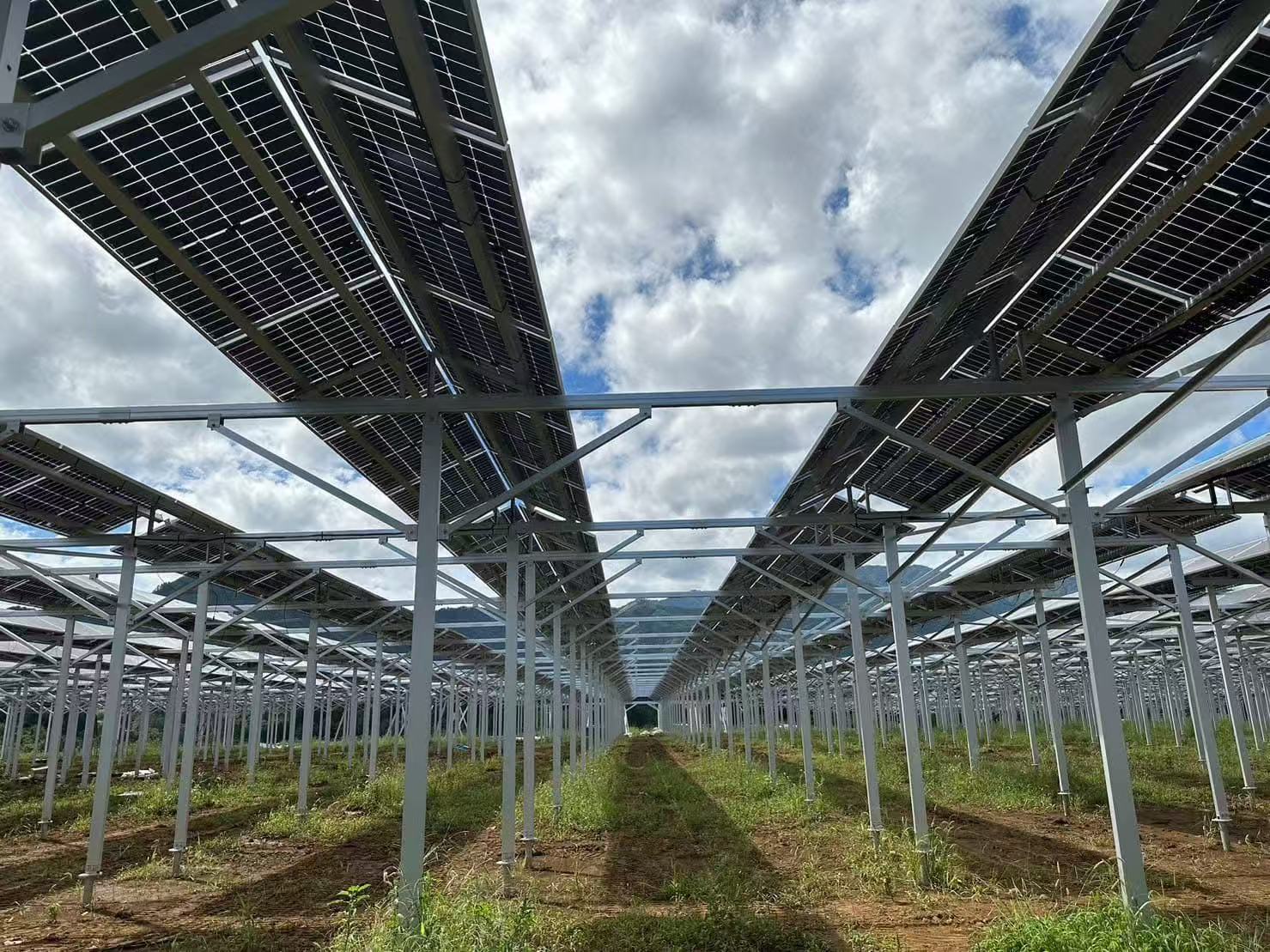
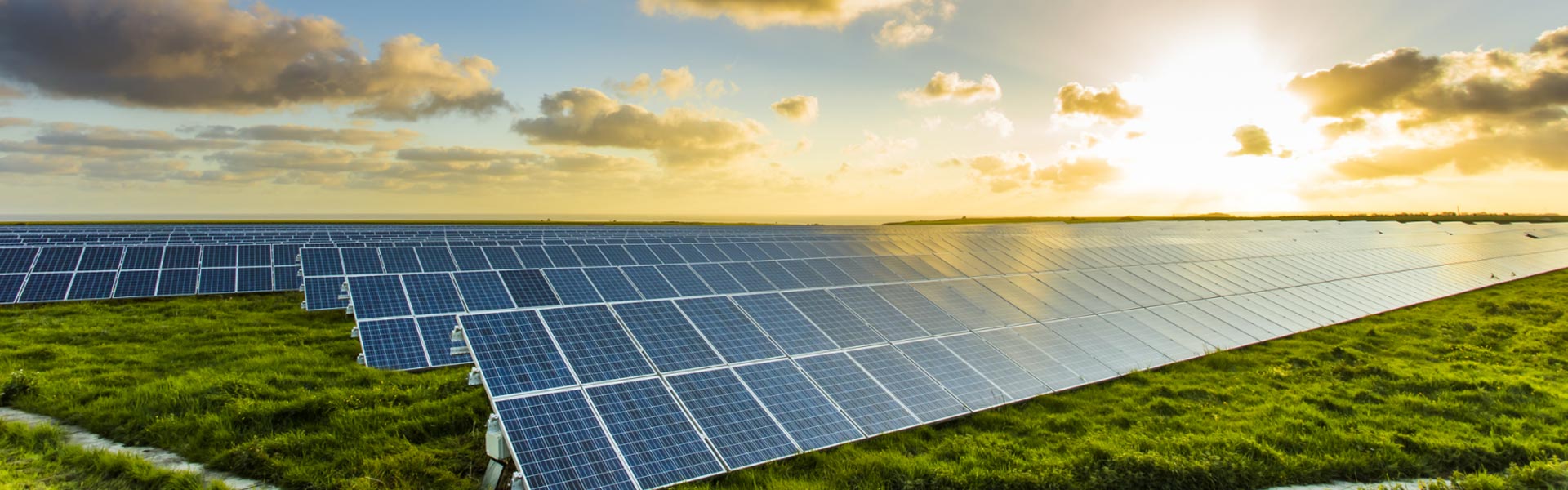
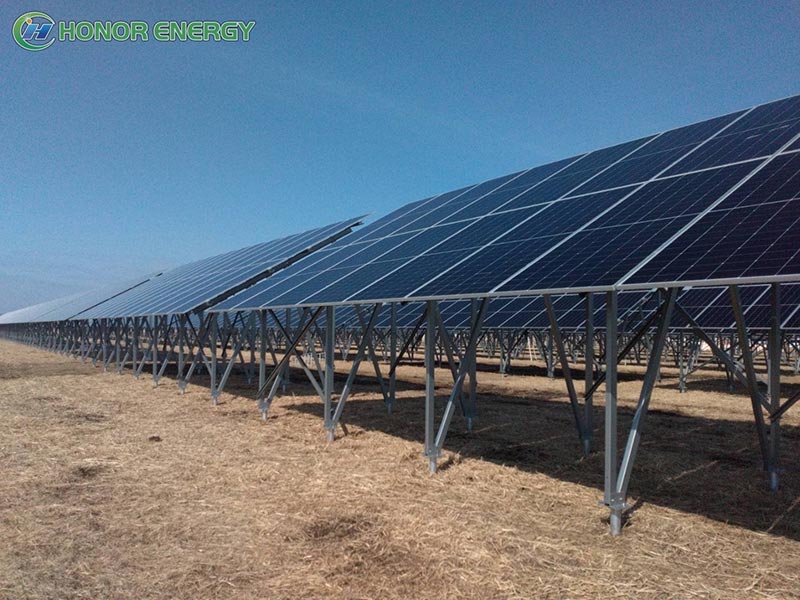
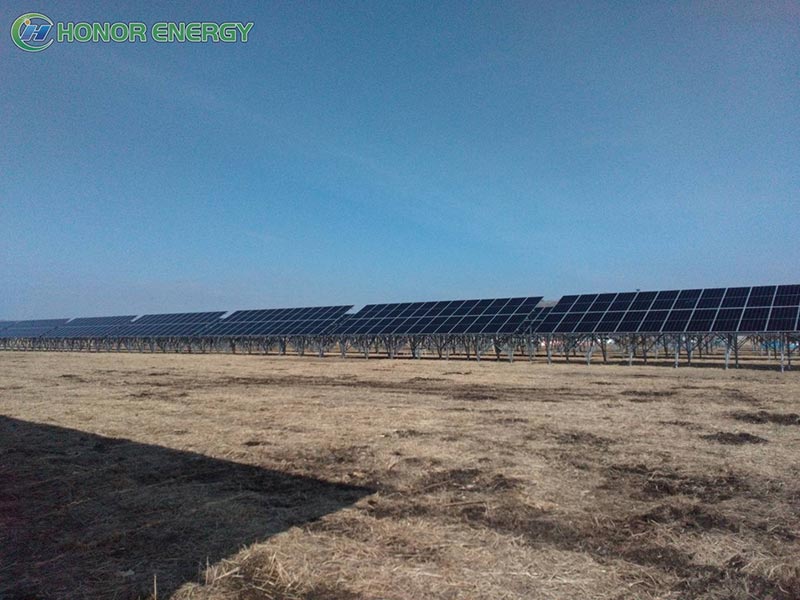
Recently, with the installation of the final set of modules, the 6MW high‑voltage ground‑mount photovoltaic power station project—for which our company(Xiamen Honor Energy Co.,Ltd.) was responsible for structural design and racking supply—has been successfully completed in a harsh high‑cold, heavy‑snow environment and has now entered the grid‑connection commissioning phase. Facing the dual challenges of a maximum snow depth of 110 cm and a steep 35° tilt angle, our high‑reliability racking system demonstrated outstanding environmental adaptability and structural safety, providing a replicable engineering example for PV development in high‑latitude snow‑prone regions.
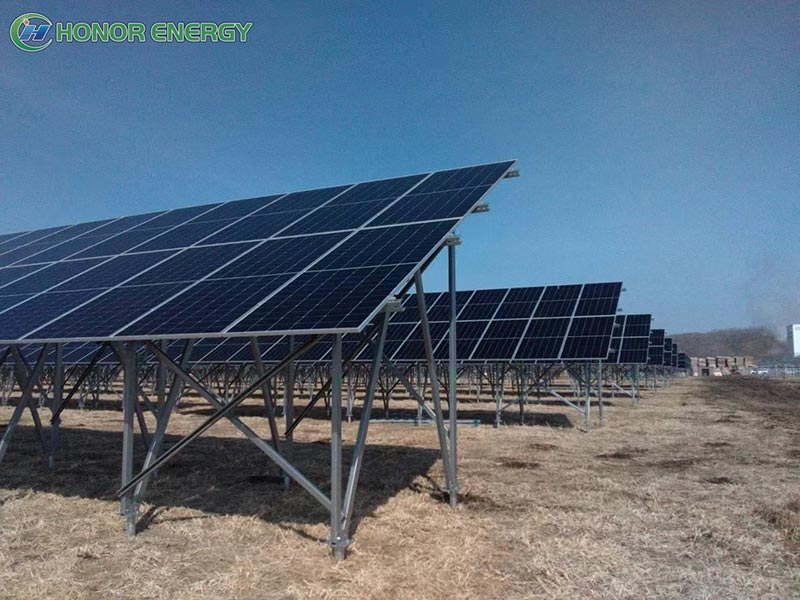
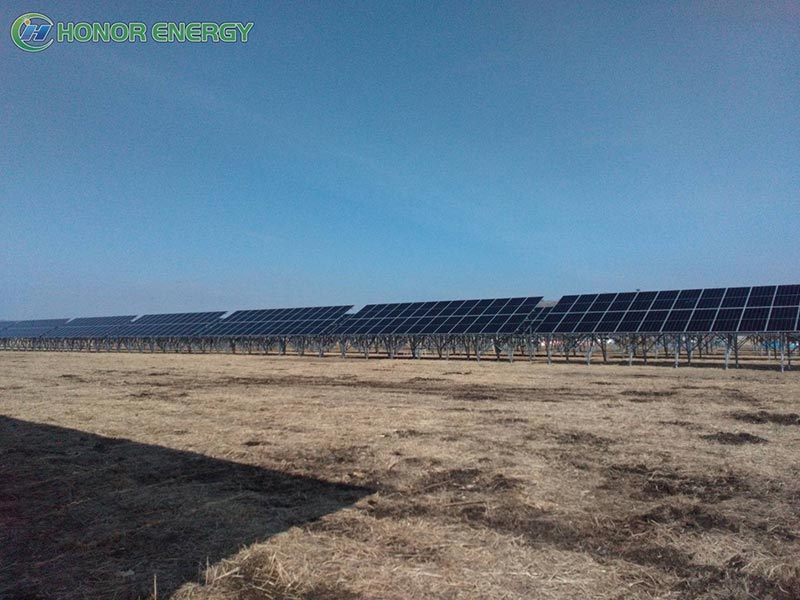
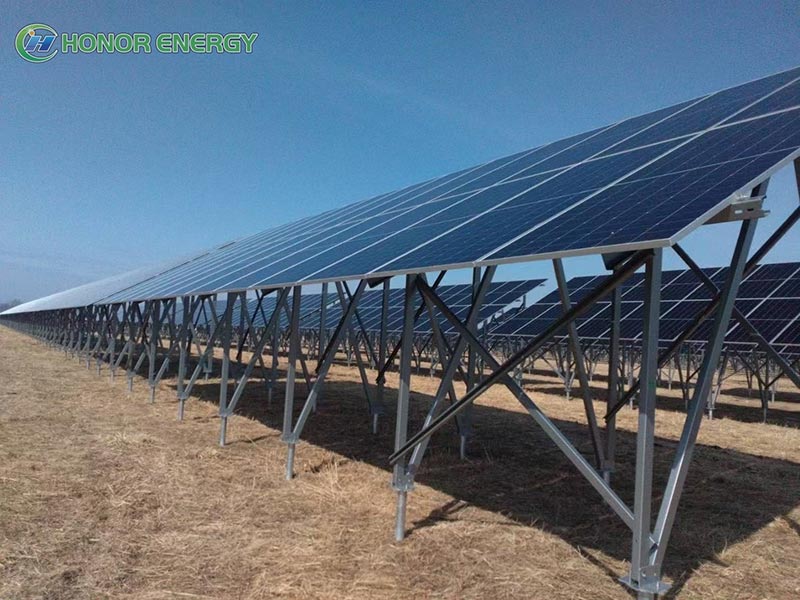
Severe Challenges: Meeting the “Snow‑Country Test”
Located in a typical snow‑belt area, the project site presented extremely demanding natural conditions:
Extreme Snow Load: Annual maximum snow depth reaches 110 cm, with static snow loads far exceeding conventional design standards.
Large Tilt Installation: A 35° module tilt angle enhances winter power generation efficiency but significantly increases wind‑exposed area and snow‑sliding risk.
Freeze‑Thaw Cycles: Long‑term freeze‑thaw conditions impose higher requirements on material corrosion resistance and structural fatigue strength.
Short Construction Window: The prolonged winter severely compressed the construction schedule.
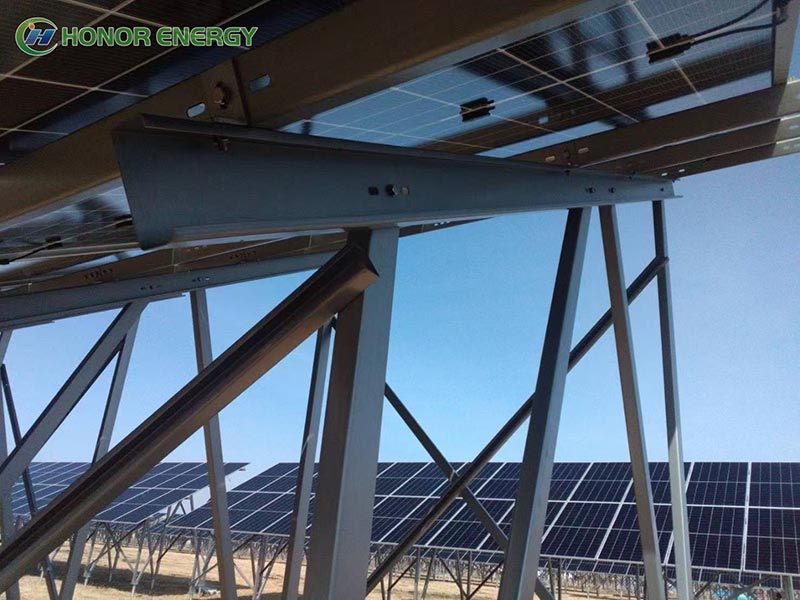
Professional Solution: Responding to Natural Challenges with Structural Innovation
To address the project’s specific demands, our technical team conducted multiple rounds of simulation and field‑test verification, delivering a customized high‑reliability solution:
Enhanced Snow‑Load Resistant Structure
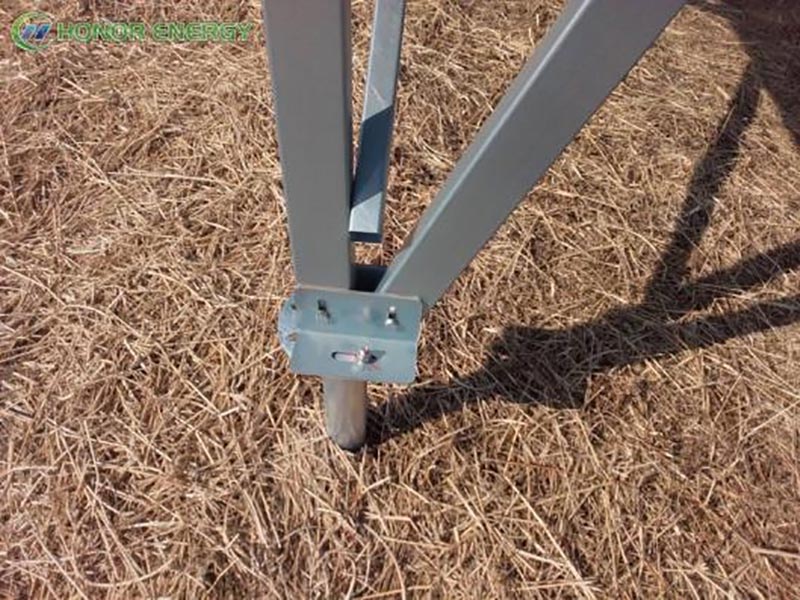
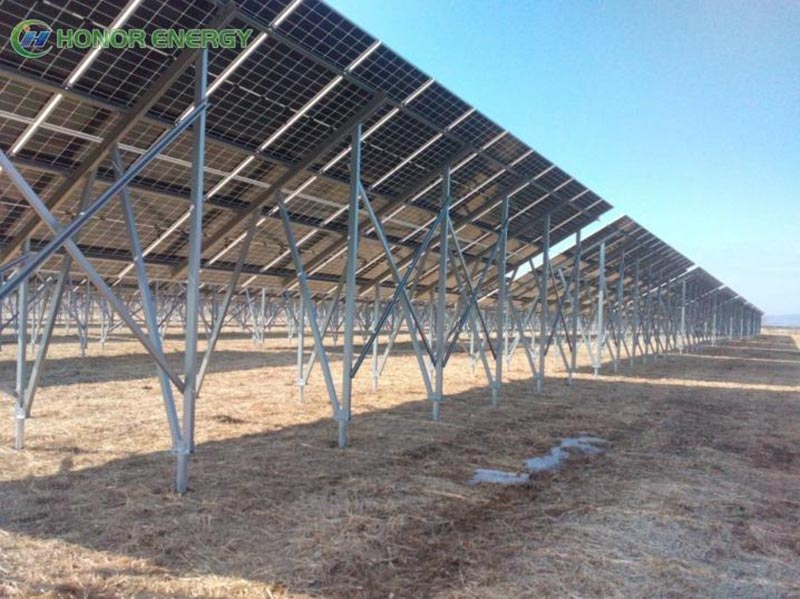
Main beams and diagonal braces employ high‑strength special steel, raising the overall load‑bearing capacity by 60 % compared with conventional designs. Dynamic snow‑pressure simulations were performed to ensure structural integrity under extreme snow accumulation—no deformation, no instability.
Snow‑Slide Mitigation & Anti‑Accumulation Design
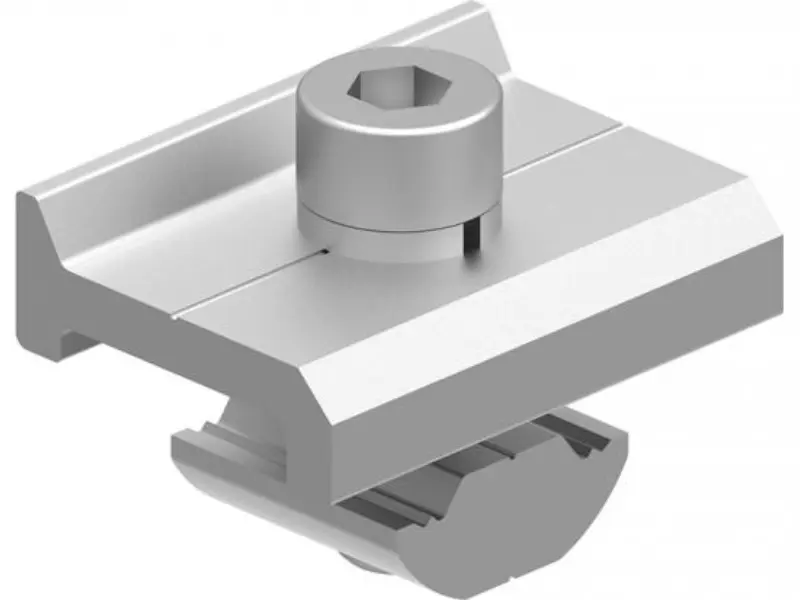
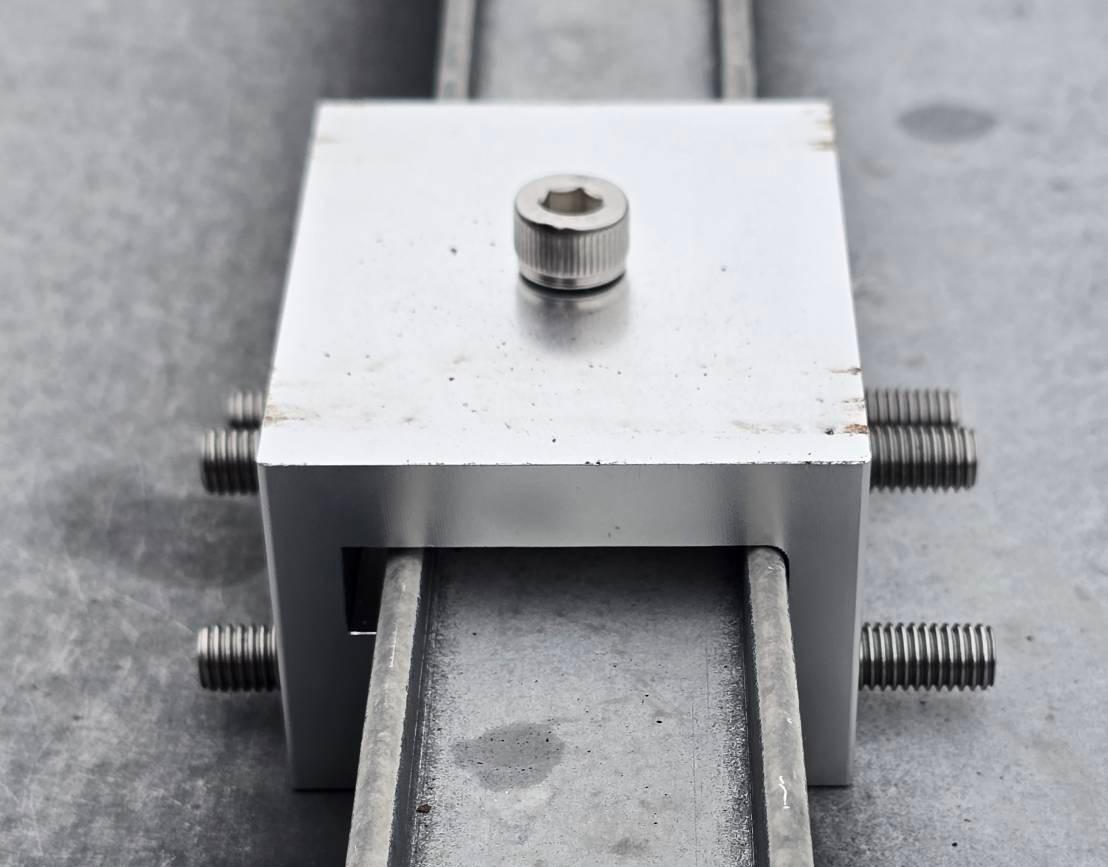
Optimizing purlin spacing and module clamp layout in conjunction with the 35° tilt angle, and installing segmented snow‑guard structures to guide orderly snow shedding, preventing localized accumulation that could cause instantaneous overload.
Low‑Temperature Materials & Processes
The racking surface receives a double‑layer anti‑corrosion coating, and connectors undergo low‑temperature toughness treatment, ensuring excellent performance even at ‑30 ℃ and resisting freeze‑thaw erosion.
Rapid Modularized Construction
Over 90 % of the structure is factory‑prefabricated, requiring only modular assembly on site, significantly shortening the construction period and helping the client complete the build within the limited time window.
Project Value: Beyond Completion, Ensuring Reliable Operation
The project not only achieved successful handover but also creates long‑term value in the following aspects:
Safety & Reliability: Third‑party testing confirms the racking system can withstand a once‑in‑a‑century snow load, with a design life exceeding 30 years.
Power‑Generation Assurance: The 35°tilt angle notably boosts power‑generation efficiency under low‑angle winter sunlight, maximizing revenue for snow‑region projects.
Industry Demonstration: Provides a complete, reliable technical pathway and data support for PV power‑station construction in similar high‑cold, heavy‑snow areas.
We Continue to Focus on Complex Scenarios, Ensuring Every Ray of Sunlight is Steadily Captured
From coastal typhoon zones and steep mountain slopes to high‑cold snow belts, we are consistently committed to integrating materials science, structural mechanics, and environmental engineering to deliver highly adaptive, highly reliable PV structural solutions for all types of extreme environments.
Snow falls silently, but structure stands firm. We will continue to provide steady, dependable support, helping to advance the global energy‑transition journey farther and more securely.
Related News
- The IGEM Exhibition in Malaysia
- Strong Market Demand for Solar Aluminum R Type Rail
- Flexible PV Mounts Lead Global Agri & Complex Terrain Projects
- 12MW Ground-mounted PV Support Shipment Finished
- 100 Solar Towers in Kenya: How SOLARFARM is Saving 1.2M Liters of Diesel Annually
- Wrapping Up Solar & Storage Live Philippines 2026
Leave me a message