Why Is the Multiple Row Type Solar Farmland Mount Becoming the Best Choice for Modern Agrivoltaic Projects
As global demand for renewable energy continues to grow, innovative solar mounting solutions are transforming the way land is utilized. One of the most promising technologies is the Multiple Row Type Solar Farmland Mount, designed specifically for agricultural land. This mounting structure allows solar panels to be installed in multiple aligned rows while preserving the land’s ability to support farming activities.
This comprehensive guide explores how multiple row type solar farmland mounting systems work, their advantages, technical structure, installation methods, and their role in the rapidly growing agrivoltaic industry. We will also analyze how developers, farmers, and energy investors can benefit from these systems, and why companies like Xiamen Honor Energy are leading innovation in farmland solar mounting solutions.
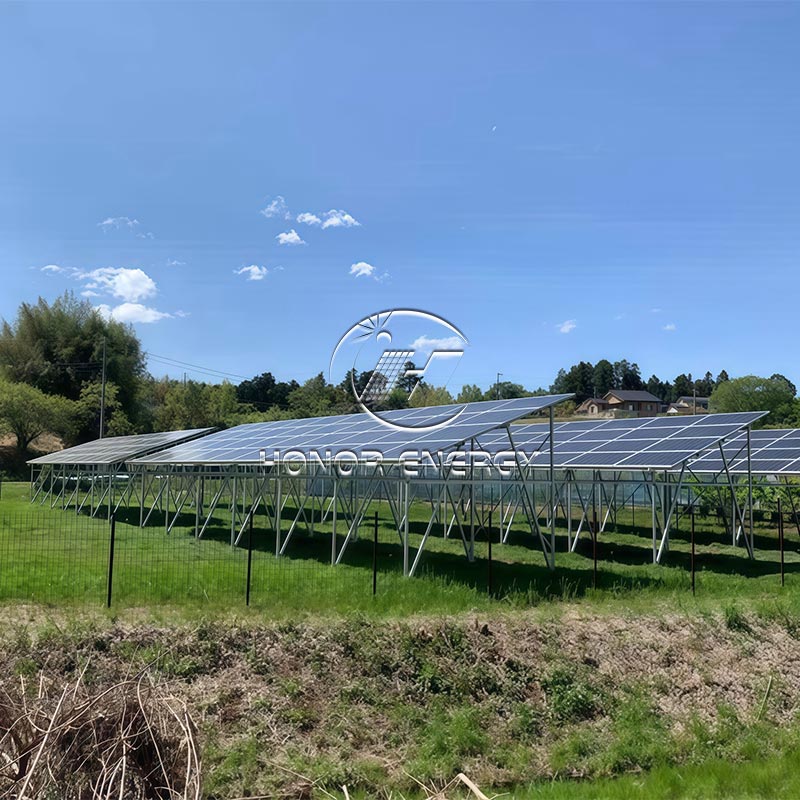
Table of Contents
- What Is a Multiple Row Type Solar Farmland Mount?
- Why Are Agrivoltaic Solar Mounting Systems Gaining Global Attention?
- How Does a Multiple Row Farmland Solar Mount Work?
- Key Structural Components of the System
- Major Advantages of Multiple Row Solar Farmland Mounts
- Comparison: Multiple Row Mount vs Traditional Ground Mount
- Installation Process and Design Considerations
- Common Agricultural Applications
- Cost Efficiency and Long-Term ROI
- Future Trends of Agrivoltaic Mounting Systems
- FAQ
What Is a Multiple Row Type Solar Farmland Mount?
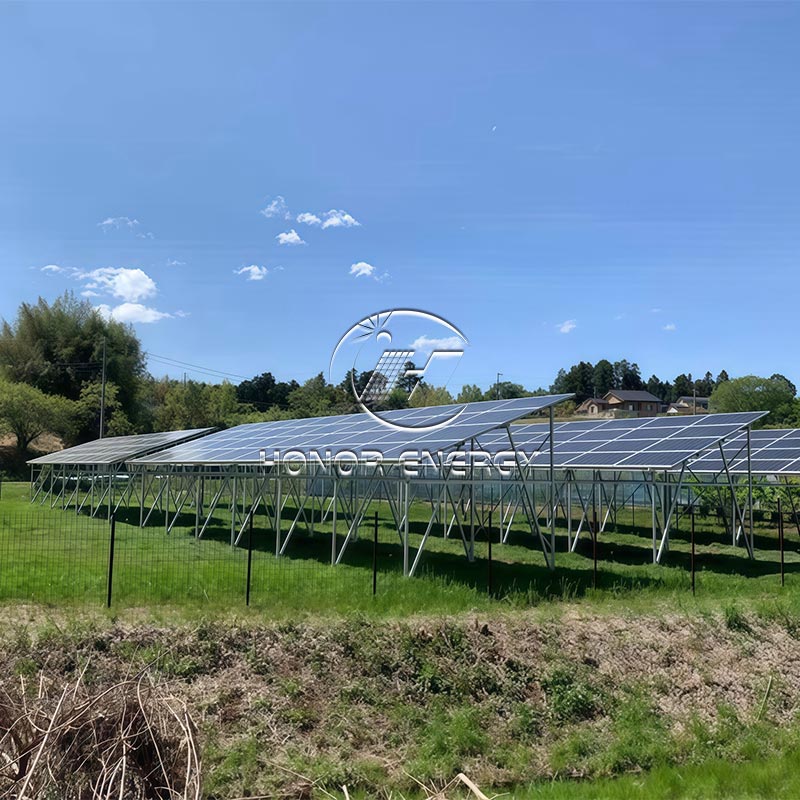
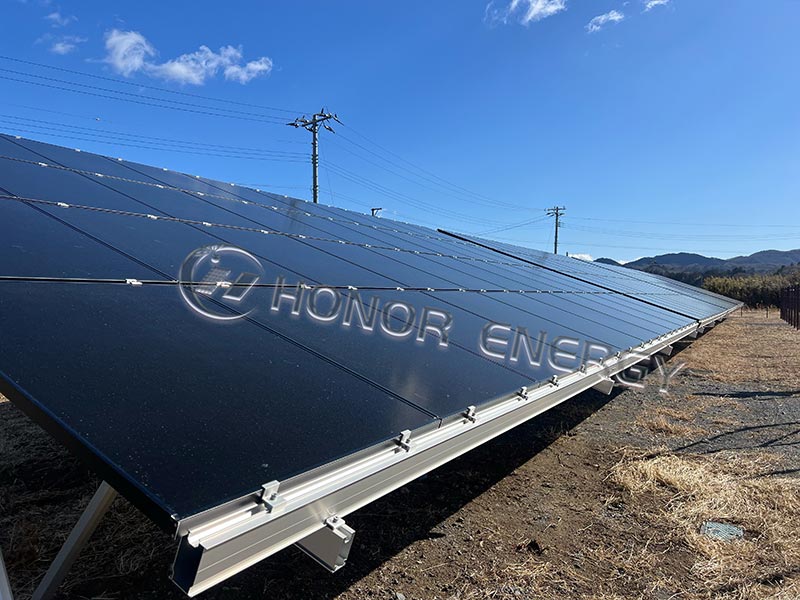
A Multiple Row Type Solar Farmland Mount is a specialized solar panel support system designed for installation on farmland without disrupting agricultural productivity. Unlike traditional ground-mounted solar systems that occupy large areas exclusively for energy production, this structure elevates solar panels and arranges them in multiple rows with optimized spacing.
The design allows sunlight, rainwater, and air circulation to reach crops underneath while enabling efficient photovoltaic energy generation above the farmland. This dual-use land approach is often referred to as agrivoltaics.
Manufacturers such as Xiamen Honor Energy have developed advanced mounting structures that balance solar power generation with agricultural productivity, making farmland solar installations both sustainable and economically viable.
Why Are Agrivoltaic Solar Mounting Systems Gaining Global Attention?
With increasing pressure on land resources, combining agriculture and solar energy has become an attractive solution worldwide. Governments and investors are recognizing the potential of agrivoltaic systems to deliver clean energy while maintaining food production.
Several factors are driving this trend:
- Rising demand for renewable energy
- Limited availability of land for solar farms
- Need for sustainable agricultural solutions
- Climate change adaptation for crops
- Government incentives for dual land-use systems
Agrivoltaic mounting structures allow landowners to generate additional income while continuing traditional farming operations. This innovative approach is reshaping how solar farms are designed and deployed.
How Does a Multiple Row Farmland Solar Mount Work?
The system works by installing elevated mounting structures that support photovoltaic modules above agricultural land. Solar panels are arranged in multiple rows aligned with optimal tilt angles and spacing to maximize sunlight exposure while minimizing shading on crops below.
The design typically includes adjustable heights and wide row spacing to allow farming equipment to move between the structures. In addition, the layout can be customized depending on crop type, sunlight requirements, and geographical location.
Typical system configuration includes:
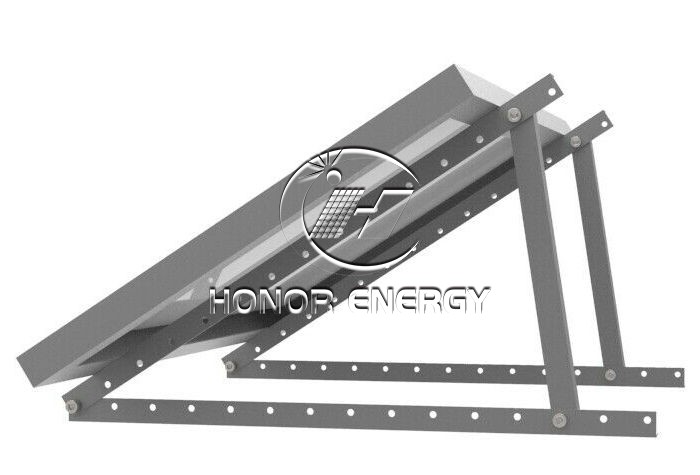
- Steel or aluminum mounting frames
- Ground pile foundations
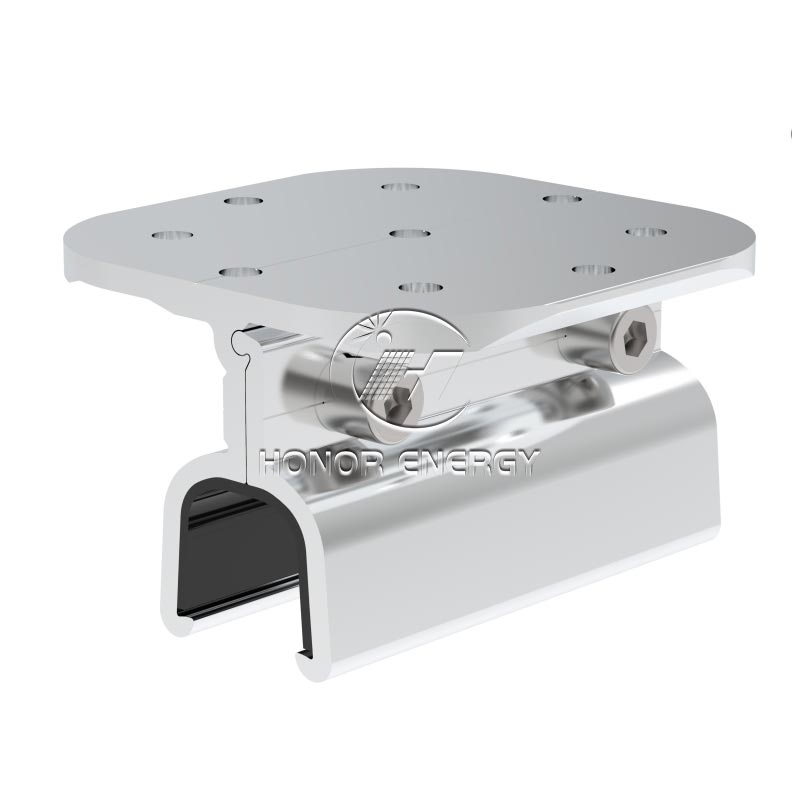
- Module rails and clamps
- Wind-resistant structural supports
- Optimized tilt angles for solar generation
Key Structural Components of the System
A high-quality farmland solar mounting structure consists of several engineered components designed for durability and efficiency.
| Component | Function | Material |
|---|---|---|
| Ground Piles | Provide stable foundation in farmland soil | Hot-dip galvanized steel |
| Main Support Beams | Hold the structural load of solar panels | Aluminum or steel |
| Module Rails | Secure photovoltaic modules | Aluminum alloy |
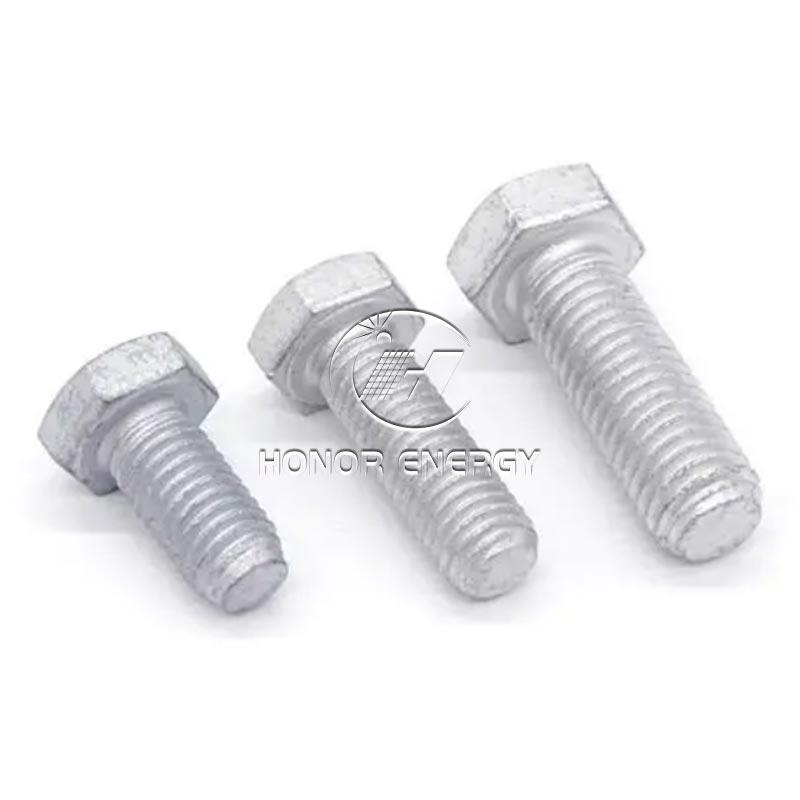
| Clamps and Fasteners | Ensure safe panel installation | Stainless steel |
| Bracing System | Enhance wind and structural stability | Galvanized steel |
Leading manufacturers such as Xiamen Honor Energy focus on corrosion-resistant materials and modular designs to ensure long service life even in harsh outdoor environments.
Major Advantages of Multiple Row Solar Farmland Mounts
The multiple row mounting system provides several advantages compared with conventional solar mounting solutions.
1. Dual Land Use
Farmers can cultivate crops beneath the solar panels while generating electricity above the field, maximizing land productivity.
2. Improved Crop Microclimate
Solar panels provide partial shade, which can reduce water evaporation and protect crops from excessive heat.
3. Enhanced Power Generation Efficiency
Optimized row spacing and tilt angles improve solar energy capture throughout the day.
4. Long-Term Durability
High-quality materials ensure resistance to wind, corrosion, and environmental stress.
5. Additional Income for Farmers
Landowners can lease land for solar projects or sell electricity generated on their farms.
Comparison: Multiple Row Mount vs Traditional Ground Mount
| Feature | Multiple Row Farmland Mount | Traditional Ground Mount |
|---|---|---|
| Land Usage | Dual-use (farming + energy) | Energy production only |
| Installation Height | Elevated structure | Low to ground |
| Agricultural Compatibility | High | Not suitable |
| Energy Efficiency | Optimized layout | Standard layout |
| Economic Value | Higher due to multiple revenue streams | Single revenue source |
Installation Process and Design Considerations
Proper system design and installation are essential for achieving optimal performance. Solar developers must consider several technical factors before installation.
Site Evaluation
- Soil conditions
- Sunlight exposure
- Crop height and growth patterns
- Wind load conditions
Engineering Design
- Row spacing optimization
- Panel tilt angle calculation
- Structural load analysis
- Drainage and irrigation compatibility
Installation Steps
- Site preparation and surveying
- Ground pile installation
- Mounting frame assembly
- Solar panel installation
- Electrical wiring and grid connection
Professional engineering teams like those at Xiamen Honor Energy provide customized mounting designs to match farmland conditions and maximize project efficiency.
Common Agricultural Applications
Multiple row farmland solar mounting systems can be used across various agricultural scenarios.
- Vegetable farms
- Fruit orchards
- Tea plantations
- Herbal crop fields
- Livestock grazing areas
In some regions, solar structures are also integrated with irrigation systems and smart farming technologies to improve agricultural productivity.
Cost Efficiency and Long-Term ROI
Although agrivoltaic systems may require higher initial investment than conventional ground-mounted solar farms, the long-term financial benefits can be significantly greater.
| Financial Factor | Impact |
|---|---|
| Land Productivity | Generates income from farming and energy |
| Electricity Revenue | Stable long-term energy income |
| Government Incentives | Subsidies for renewable projects |
| Maintenance Costs | Relatively low after installation |
Over the lifespan of a solar project—typically 25 years or more—the return on investment can be highly attractive for landowners and investors alike.
Future Trends of Agrivoltaic Mounting Systems
The future of solar agriculture integration is promising. Innovations in mounting systems are expected to improve efficiency and adaptability across different climates and crop types.
Emerging trends include:
- Adjustable-height solar mounting systems
- Smart tracking agrivoltaic structures
- AI-powered farm monitoring systems
- Integrated irrigation and solar infrastructure
- Light-transmitting photovoltaic panels
Companies like Xiamen Honor Energy are actively developing next-generation mounting technologies to support large-scale agrivoltaic deployment worldwide.
FAQ
What crops grow best under solar farmland mounting systems?
Many crops benefit from partial shading, including leafy vegetables, berries, herbs, and certain fruit trees. The system design can be customized to meet crop-specific light requirements.
Does installing solar mounts affect crop yields?
In many cases, crop yields remain stable or even improve because the panels reduce extreme heat and conserve soil moisture.
How long does a solar farmland mounting structure last?
High-quality mounting systems typically have a service life of 25–30 years due to corrosion-resistant materials and robust engineering.
Is farmland solar mounting suitable for large-scale solar farms?
Yes. Agrivoltaic systems can be deployed in utility-scale solar projects while preserving agricultural productivity.
Where can I learn more about farmland solar mounting systems?
You can explore more technical details and product specifications through this resource:
Multiple Row Type Solar Farmland Mount Solution
Conclusion
The Multiple Row Type Solar Farmland Mount represents an important step forward in sustainable land use and renewable energy development. By enabling solar power generation while preserving agricultural production, this innovative mounting system offers a powerful solution for the challenges of modern energy infrastructure.
As the global transition to renewable energy accelerates, agrivoltaic technologies will continue to gain importance in both developed and emerging markets. With advanced engineering and reliable materials, companies like Xiamen Honor Energy are helping farmers, developers, and investors unlock the full potential of solar-powered agriculture.
If you are planning an agrivoltaic project or looking for reliable solar mounting solutions, partnering with experienced manufacturers can make all the difference. For professional support, customized mounting systems, and project consultation, contact us today to explore how farmland solar mounting technology can transform your renewable energy investment.
Related News
- Solar Carport Market Diversifies: Single Post, double post, and Double-Wing Designs – Which Will Dominate?
- Fixed Mounting Structures at WFES Abu Dhabi 2026 – Exhibition Highlights
- The Material Debate in Solar Carport Mounting: Why Steel Remains the Most Reliable Choice?
- Focus on RE+ 2026
- Innovation in PV Mounting Systems Takes Center Stage at Smart Energy 2026 in Sydney
- Agricultural-PV Mounting Systems: When Solar Power Meets the Soil
Leave me a message