Agricultural-PV Mounting Systems: When Solar Power Meets the Soil
Scrolling through LinkedIn a few days ago, I came across a post from one of our clients. They were talking about a project they're working on, using our agricultural shared mounting system — essentially, pairing solar panels with greenhouse crops, generating power up top while food grows below. It's a true model of agrivoltaics. The post was so down-to-earth, and what really stood out was how the system maximizes land utilization, turning farming and energy generation from competitors into a win-win partnership. I found myself reading it twice, and honestly, it gave me a real sense of pride. This is exactly the meaningful work Xiamen Honor Energy is doing—making agrivoltaics a reality.
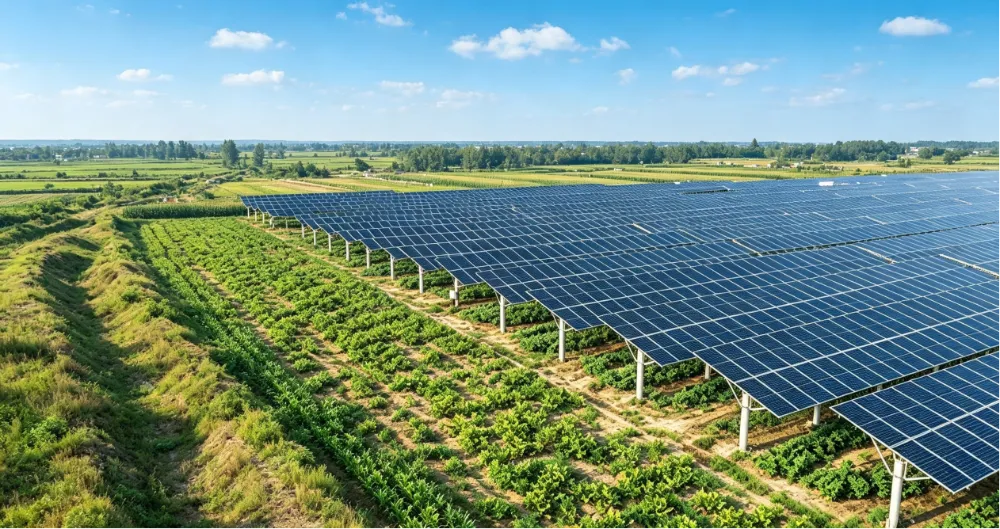
This is what agrivoltaics looks like in practice, and the mounting system holding those panels up? That's where the real engineering happens.
The Land-Use Dilemma We've All Been Ignoring
Here's the thing about farming today—land is expensive, and it's getting harder to justify dedicating acreage to just one thing. Traditional solar farms take up space that could be growing food. Traditional farms miss out on the revenue and energy independence that solar provides. It's a tension that's been hanging over the industry for years.
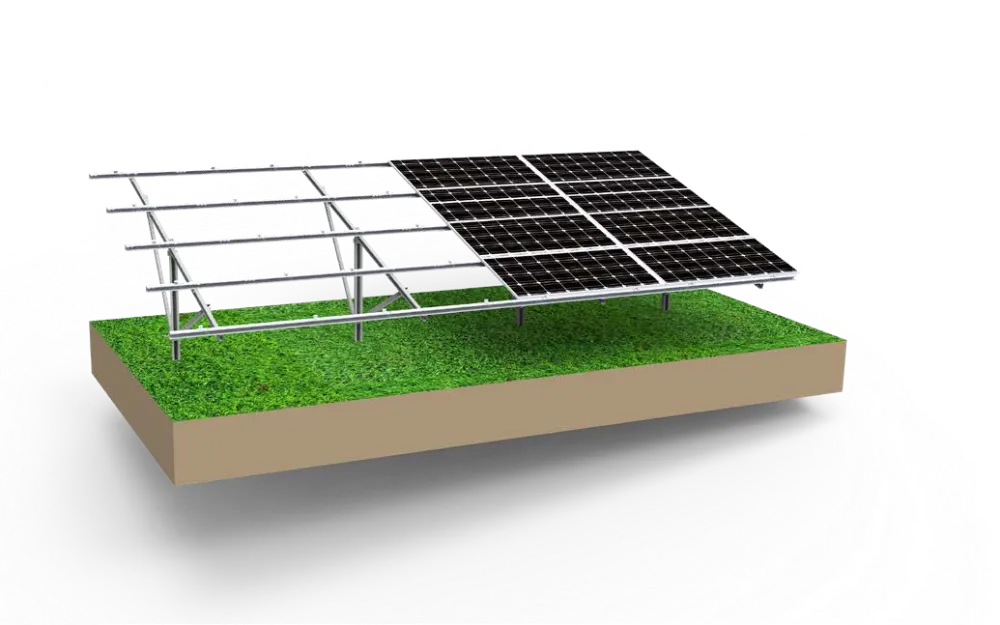
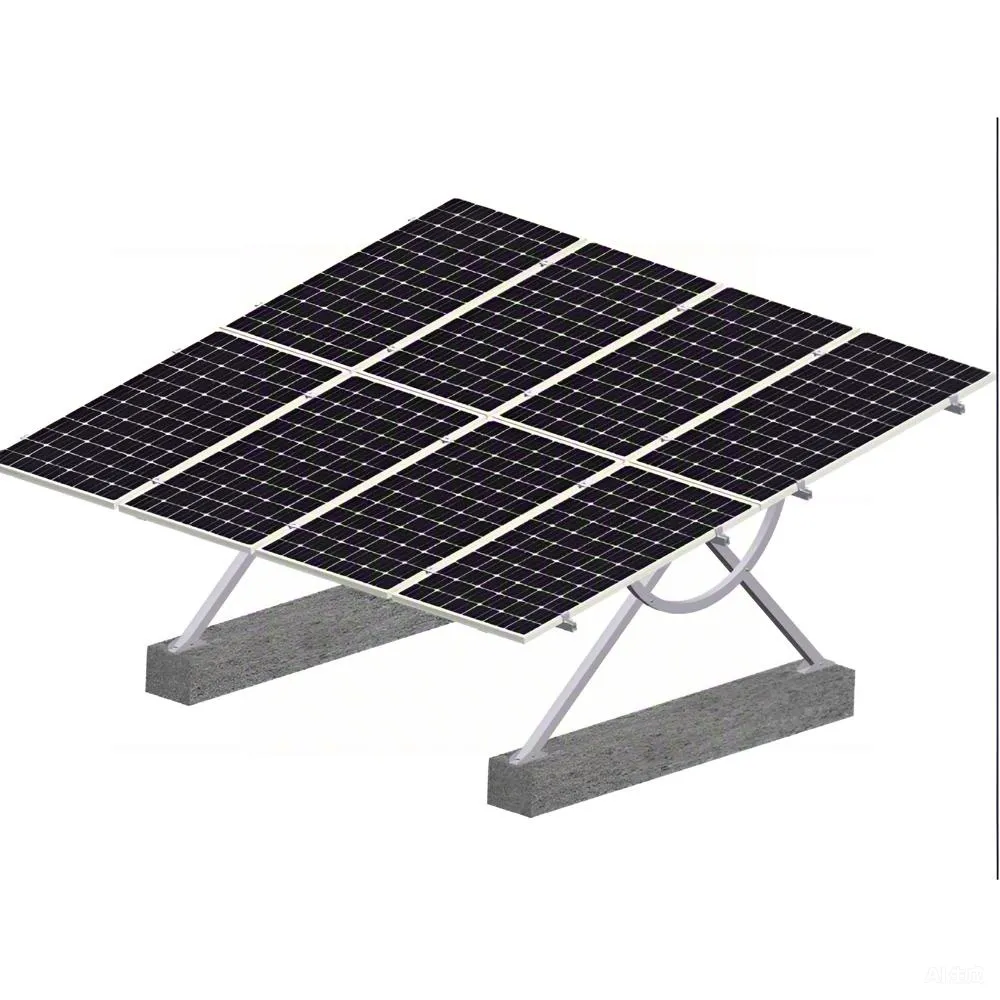
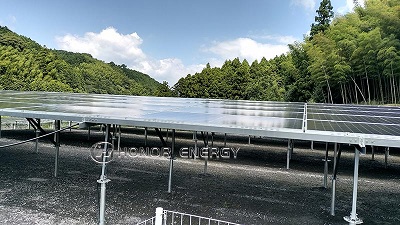
The mounting systems we're seeing now finally address this head-on. These aren't your standard ground-mount racks. They're engineered specifically to sit above crops—high enough for tractors to pass underneath, spaced carefully so sunlight filters through to the plants below. The result is dual-use land: food production and energy generation, happening on the same square meter.
What Makes These Systems Actually Work
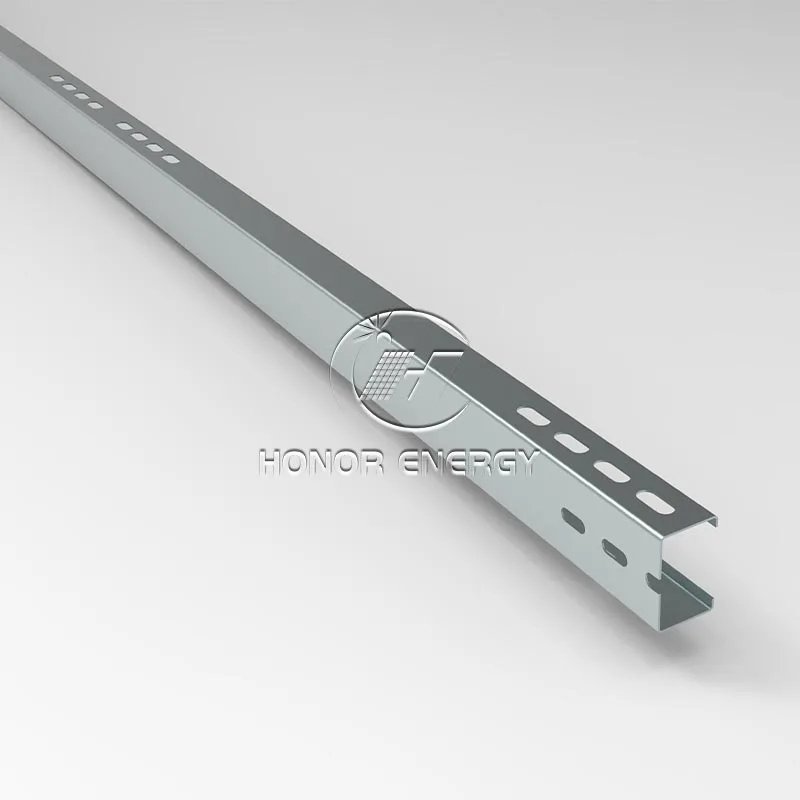
The good ones are built from aluminum alloy 6005-T5, which I know sounds like technical jargon, but here's what it means in plain English: it doesn't rust, it's light enough to ship without breaking the bank, and it holds up against whatever the weather throws at it. Wind loads up to 60 meters per second, snow loads pushing 1.4 kN/m²—these systems are tested for the real world, not just the lab.
Surface treatment through anodized oxidation adds another layer of protection. I've seen what happens to untreated metal in a greenhouse environment—humidity, fertilizers, the constant condensation—it's brutal. The anodizing makes a genuine difference in longevity.
Installation is another area where the engineering shows. Pre-assembled components ship out, and crews can get them up fast. One contractor I spoke with told me his team cut installation time by nearly 40% compared to traditional mounting structures. Less time on site means lower labor costs and less disruption to farm operations.
Beyond the Hardware: What Farmers Actually Care About
Farmers aren't buying mounting systems because they're fascinated by aluminum alloys. They're buying them because the panels provide shade that reduces water evaporation—some operations reporting up to 20% less irrigation needed. Because the structures can support insect-proof nets and shading cloths, creating a three-dimensional production system that maximizes every inch of space. Because the adjustable design makes it simple to maintain both the panels and the crops without complicated dismantling.
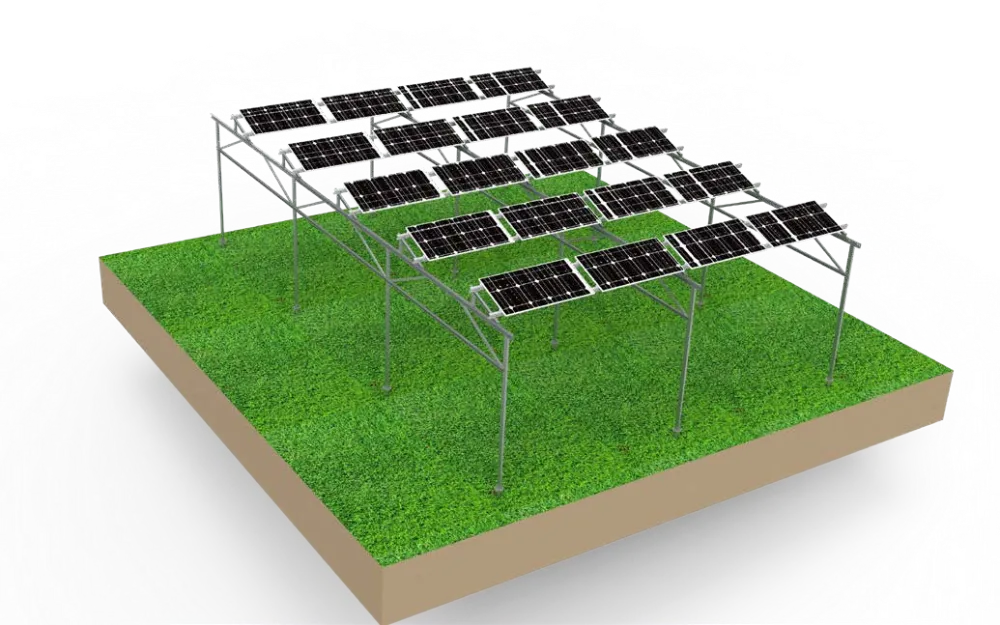
And yes, because selling excess power back to the grid creates an additional revenue stream that makes the whole operation more resilient.
The Bigger Picture
What I find interesting is how quickly this is moving from niche to mainstream. Projects are going up across Europe, Japan, and increasingly in North America. The technology has matured to the point where it's no longer a compromise—you're not sacrificing crop yield for energy, or vice versa. With transmission rates exceeding 50% for sunlight passing through to crops, the plants keep growing while the panels keep generating.
Certifications from TÜV and ISO are becoming standard. Warranties run 10 years, with design lives pushing 25 years or more. This isn't experimental anymore—it's infrastructure.
Where We Go From Here
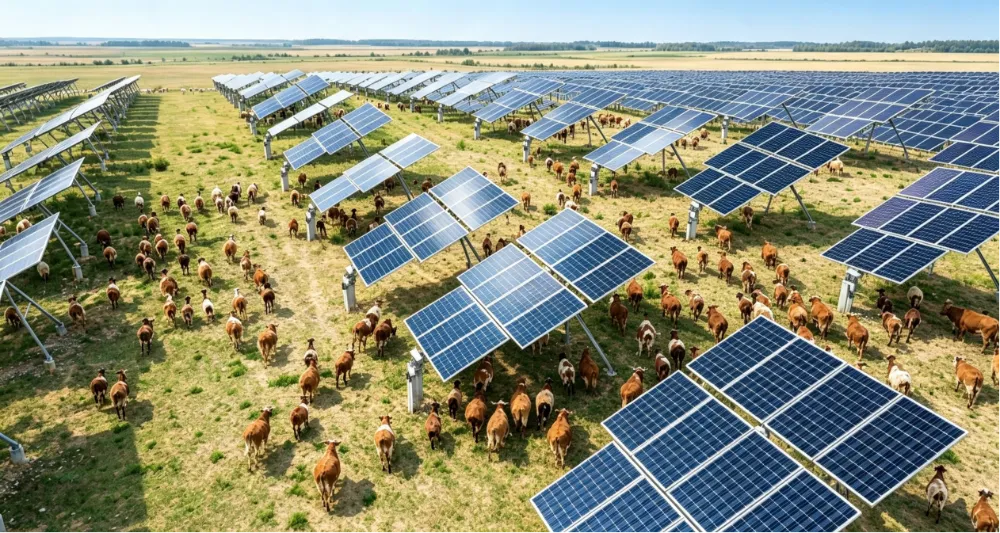
The companies getting this right are the ones who understand that agriculture and energy aren't competitors. They're partners. The mounting system is just the bridge between them—but it's a bridge that has to be built right.
If you're looking at your farm or greenhouse operation and wondering how to make the numbers work, this is worth a serious look. The upfront investment is real, but so is the payoff: lower operating costs, new revenue, and the kind of energy independence that makes a business genuinely sustainable.
Related News
- Why Balcony PV Is Reshaping Europe's Energy Landscape
- Solar Carport Market Diversifies: Single Post, double post, and Double-Wing Designs – Which Will Dominate?
- Fixed Mounting Structures at WFES Abu Dhabi 2026 – Exhibition Highlights
- The Material Debate in Solar Carport Mounting: Why Steel Remains the Most Reliable Choice?
- Focus on RE+ 2026
- Innovation in PV Mounting Systems Takes Center Stage at Smart Energy 2026 in Sydney
Leave me a message