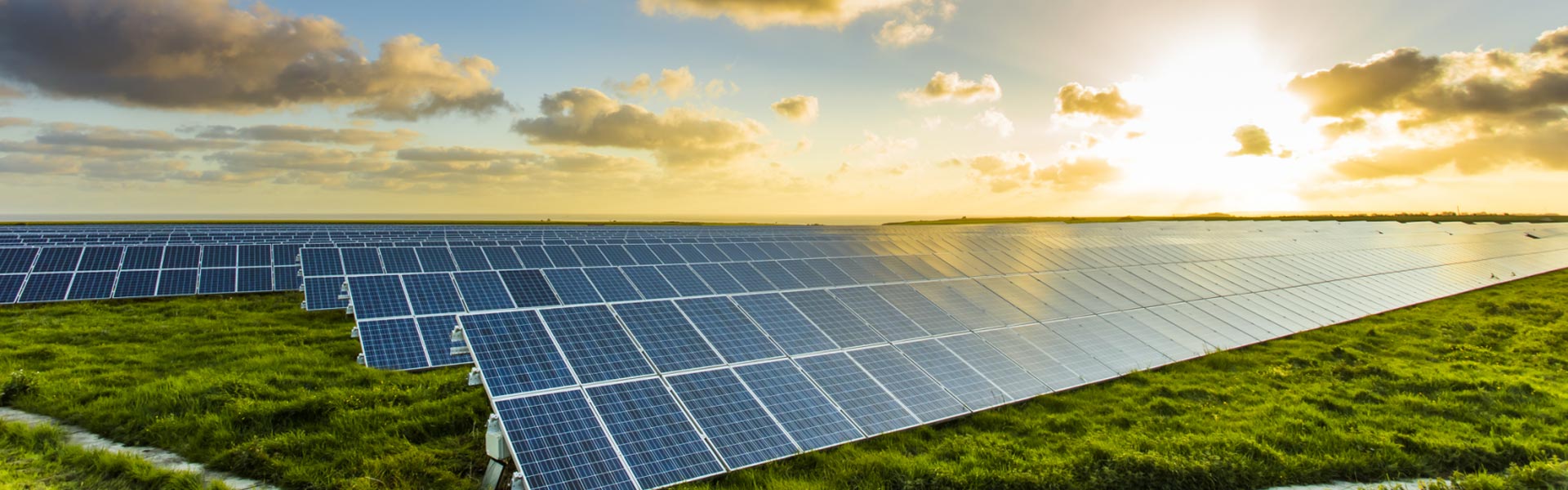
Why Balcony PV Is Reshaping Europe's Energy Landscape
Xiamen Honor Energy sees what the data confirms: the balcony photovoltaic mounting system is no longer a niche product for early adopters—it's becoming a mainstream entry point for millions of European apartment dwellers who want solar but don't own a roof.
Unlike conventional rooftop photovoltaics, balcony systems can be deployed on apartment buildings and other residential properties where roof ownership, available roof area, or installation permissions may limit conventional solar adoption. This makes balcony PV particularly relevant to Europe's large rental and multi-family housing market.
Germany Shows How Quickly Balcony Solar Can Scale
Germany remains one of Europe's most closely watched markets for balcony solar. In 2024, approximately 222,000 balcony solar and storage systems were installed, representing a 97% increase compared with the previous year. By mid-2025, the number of registered systems had reached approximately 975,600.
The scale of deployment illustrates a broader change in residential solar adoption. Instead of requiring a dedicated rooftop installation, balcony systems allow individual households to participate in distributed generation with a comparatively small installation footprint.
Electricity prices have also strengthened the economic case for self-consumption. German and French household electricity prices have remained significantly higher than those in many other major markets. For apartment residents facing limited options for conventional rooftop solar, even relatively small photovoltaic systems can reduce daytime electricity consumption from the grid.
The economics, however, depend on system cost, electricity prices, solar irradiation, household consumption patterns, and local rules. Balcony PV should therefore be evaluated as a distributed self-consumption technology rather than assuming a uniform payback period across different European markets.
Policy Opens the Door
Regulation has played an important role in Germany's rapid adoption of balcony solar.
Germany's Solarpaket 1, introduced in April 2024, simplified several aspects of small-scale photovoltaic deployment and increased the permitted inverter output for certain plug-in solar systems to 800 W. The regulatory changes also addressed installation rights for tenants, an important issue in a country with a large rental housing population.
This matters because the main barrier to residential solar is not always the photovoltaic technology itself. For apartment residents, building ownership, landlord approval, grid procedures, and installation requirements can determine whether a system is practical.
The policy direction is also extending beyond Germany. European policymakers have increasingly focused on reducing administrative barriers to small-scale renewable generation and energy communities. The European Commission's 2026 policy measures further indicate that distributed generation is being considered as part of Europe's broader renewable-energy expansion.
The result is a market environment in which technical development and regulatory simplification are reinforcing each other.
Beyond the Basic Plug-and-Play Kit
The balcony solar category has also changed significantly at the product level.
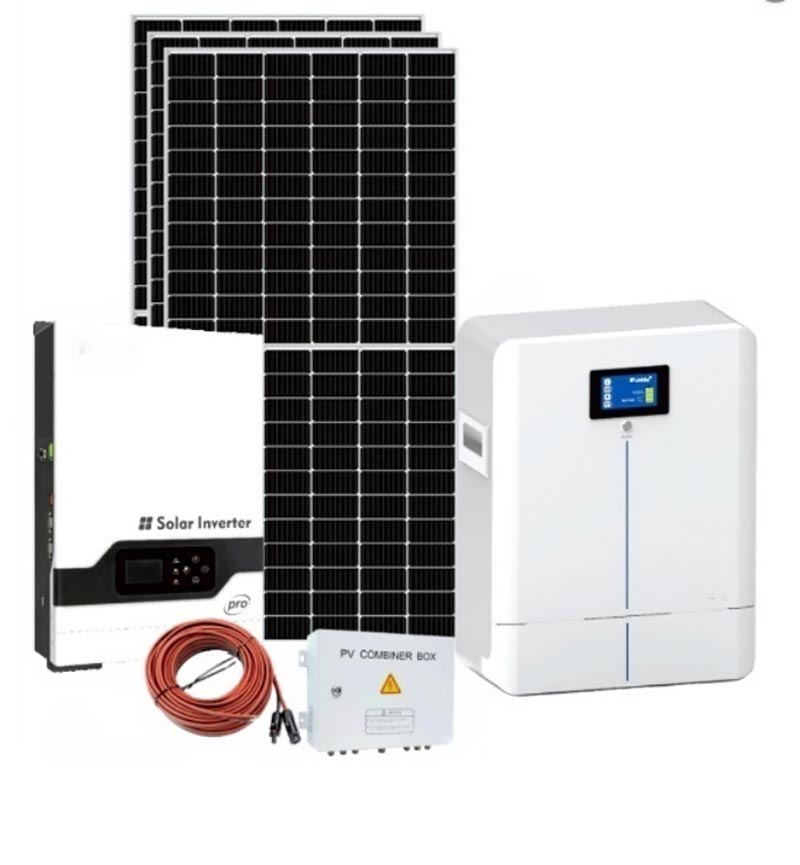
Early systems were largely centered on simple photovoltaic panels, microinverters, cables, and basic mounting hardware. Newer systems increasingly integrate generation, monitoring, energy management, and storage into a more coordinated package.
This shift is changing consumer expectations. Monitoring applications can provide real-time information on electricity generation and consumption, while integrated storage allows some systems to retain surplus daytime generation for later use.
The mounting structure is evolving at the same time.
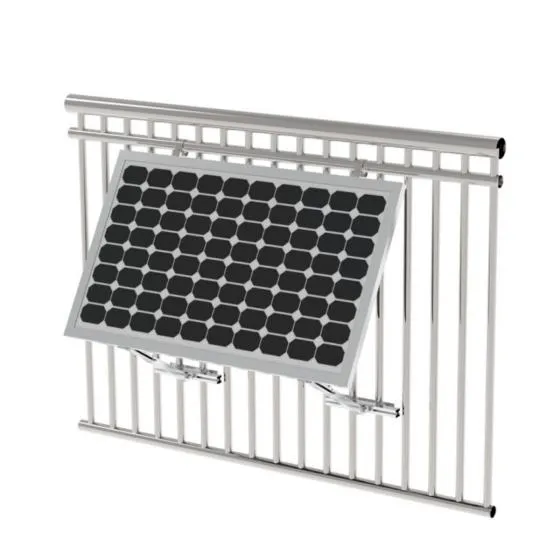
For balcony installations, the mounting system has to accommodate limited installation space, different railing configurations, panel dimensions, building structures, and exposure to wind. Materials such as AL6005-T5 aluminum and SUS304 stainless steel are commonly used in corrosion-resistant solar mounting components because of their combination of strength, weight, and durability.
Wind resistance becomes particularly important on elevated balconies. The relevant engineering consideration is not simply the weight of the photovoltaic panel and bracket. Wind pressure, building height, panel orientation, railing configuration, connection points, and the structural capacity of the balcony or railing all affect the installation requirements.
As a result, compatibility and structural design are becoming more important differentiators within the balcony PV market.
Installation Efficiency Is Becoming a Design Priority
The growth of balcony PV is also influencing installation methods.
For professional installers, a system that reduces the number of individual components can shorten installation time and simplify inventory management. Pre-assembled brackets, standardized fasteners, adjustable connections, and tool-efficient designs can reduce the number of installation steps.
For residential users, simplicity has a different meaning. A system needs to be understandable, physically manageable, and compatible with the actual balcony structure.
This has encouraged the development of mounting products that can accommodate multiple railing configurations rather than relying on a single fixed installation method.
The trend reflects a broader movement within distributed solar: installation efficiency is becoming part of the product design rather than something considered only after the hardware has been developed.
Structural Requirements Remain Critical
The rapid expansion of balcony PV does not remove the need for structural assessment.
A balcony railing is not automatically suitable for supporting a photovoltaic array simply because the panel itself is relatively lightweight. The relevant load includes the mounting structure and connections, as well as wind-induced forces.
Local building requirements, railing construction, balcony condition, installation height, and regional wind conditions should therefore be considered before installation.
This is particularly important for high-rise buildings. Wind loads generally become more significant as installation height increases, and the forces acting on an elevated panel can be substantially different from those associated with a ground-mounted installation.
For this reason, universal compatibility should not be interpreted as universal structural suitability. A mounting system may accommodate a particular railing geometry while still requiring project-specific verification.
Where the Market Goes Next
The European balcony PV market still has substantial room for expansion.
Germany's registered systems already number close to one million, yet balcony solar remains a relatively small proportion of Europe's total residential energy infrastructure. Rental housing, apartment buildings, and urban properties without suitable rooftops represent a large potential market.
Future growth is likely to depend on several factors:
The market is therefore developing on several fronts at once. Policy determines where systems can be installed, economics determines whether households find them attractive, and mounting technology determines whether those systems can be safely adapted to the physical constraints of apartment buildings.
Balcony PV is unlikely to replace conventional rooftop or utility-scale solar. Its significance lies elsewhere: it creates an additional route into solar generation for households that have historically had limited access to conventional photovoltaic installations.
As European cities continue to add distributed renewable generation, the balcony is becoming an increasingly important piece of the residential energy landscape.
Related News
- Solar Carport Market Diversifies: Single Post, double post, and Double-Wing Designs – Which Will Dominate?
- Fixed Mounting Structures at WFES Abu Dhabi 2026 – Exhibition Highlights
- The Material Debate in Solar Carport Mounting: Why Steel Remains the Most Reliable Choice?
- Focus on RE+ 2026
- Innovation in PV Mounting Systems Takes Center Stage at Smart Energy 2026 in Sydney
- Agricultural-PV Mounting Systems: When Solar Power Meets the Soil
Leave me a message