Why Does Solar Ground Mount Matter More Than Most Buyers Expect?
When I speak with project owners, EPC contractors, and distributors, I notice the same pattern again and again: people spend enormous energy comparing module efficiency and inverter brands, but they often treat the mounting structure as a background component. That is a mistake. A well-designed Solar Ground Mount system affects installation speed, structural stability, maintenance access, land use efficiency, and the total lifecycle cost of a project. In many real-world cases, it decides whether a project feels smooth and profitable or full of expensive surprises.
This is exactly why suppliers such as Xiamen Honor Energy Co.,Ltd. attract attention in procurement discussions. Buyers are no longer asking only whether a structure can hold panels in place. They want to know how it performs under different soil conditions, how quickly it can be installed, whether steel or aluminum makes more sense, and how to avoid future rework. If I were evaluating solutions for a commercial or utility-scale site, I would start with those practical questions rather than the lowest initial quote.
Article Summary
This article explains why choosing the right Solar Ground Mount system is critical for long-term project success. I break down the main buyer concerns, including foundation type, material selection, structural durability, installation efficiency, adaptability to site conditions, and maintenance planning. I also include a clear outline, a table of comparison points, and practical FAQs so decision-makers can evaluate options with more confidence and less guesswork.
Table of Contents
- What Will This Article Cover?
- Why Do Buyers Hesitate When Choosing a Solar Ground Mount?
- Which Material Makes More Sense for Different Projects?
- What Foundation Choice Should You Make?
- How Does Good Structural Design Reduce Hidden Costs?
- What Should You Check Before Sending an Inquiry?
- Which Factors Should Be Compared Side by Side?
- FAQ
- Why Is It Smart to Contact a Qualified Supplier Early?
What Will This Article Cover?
- The most common buying concerns behind a Solar Ground Mount decision
- The difference between steel and aluminum structures in practical use
- The role of screw pile and concrete foundation options
- How structure design influences labor, timelines, and maintenance
- A buyer-friendly checklist for comparing suppliers
- Frequently asked questions from real procurement conversations
Why Do Buyers Hesitate When Choosing a Solar Ground Mount?
I do not think buyers hesitate because they lack interest. They hesitate because the wrong decision can create long-term risk. A mounting system looks simple on paper, yet the consequences of a poor match between structure and site can be costly. I have seen buyers worry about wind load, corrosion, local terrain, foundation suitability, installation complexity, and after-sales support all at once. That anxiety is reasonable.
A Solar Ground Mount has to do more than support modules. It must work with the land, the weather, the construction team, and the financial model. When any one of those elements is ignored, the project starts absorbing losses in subtle ways: more labor hours, slower site progress, replacement parts, alignment issues, or difficult maintenance access.
If I had to summarize the buyer mindset in one sentence, it would be this: nobody wants a support structure that looks economical in a quotation but becomes expensive in the field.
- Will the structure suit my soil and terrain conditions?
- Is the material durable enough for my climate?
- How much time and labor will installation require?
- Can the system be adjusted or customized if the site is irregular?
- Will the supplier offer engineering support when issues appear?
Which Material Makes More Sense for Different Projects?
This is one of the first questions I would ask. Material choice shapes cost, strength, corrosion resistance, handling, and even transport efficiency. In broad terms, buyers often compare steel and aluminum when selecting a Solar Ground Mount solution.
Steel is commonly selected when strength, rigidity, and budget balance are top priorities. It is often preferred in large projects where robust structural support matters most. Aluminum, on the other hand, is attractive when buyers want lower weight, easier handling, and strong resistance to corrosion. Neither option is universally “better.” The right answer depends on the site and the project goal.
| Factor | Steel Ground Mount | Aluminum Ground Mount |
|---|---|---|
| Structural Strength | Often favored for high rigidity and heavy-duty support | Strong but generally chosen more for lightness and corrosion resistance |
| Weight | Heavier, which may affect transport and handling | Lighter, easier to move and install on site |
| Corrosion Resistance | Depends on coating and environmental exposure | Usually excellent for humid or coastal conditions |
| Installation Convenience | Reliable for heavy-duty layouts but may require more effort | Often quicker to handle because of lower weight |
| Typical Buyer Priority | Cost control and structural solidity | Ease of installation and long-term anti-corrosion performance |
If I were buying for a dry inland site with a tight budget and a large array, steel would deserve serious consideration. If the project were in a humid, corrosive, or coastal region where long-term appearance and resistance matter more, aluminum would immediately move up my list.
What Foundation Choice Should You Make?
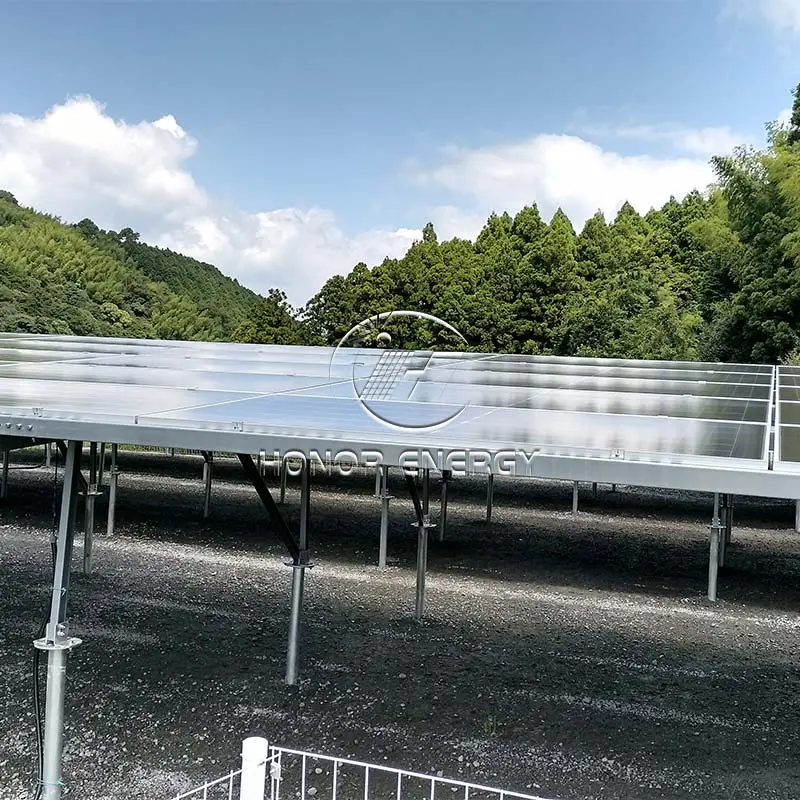
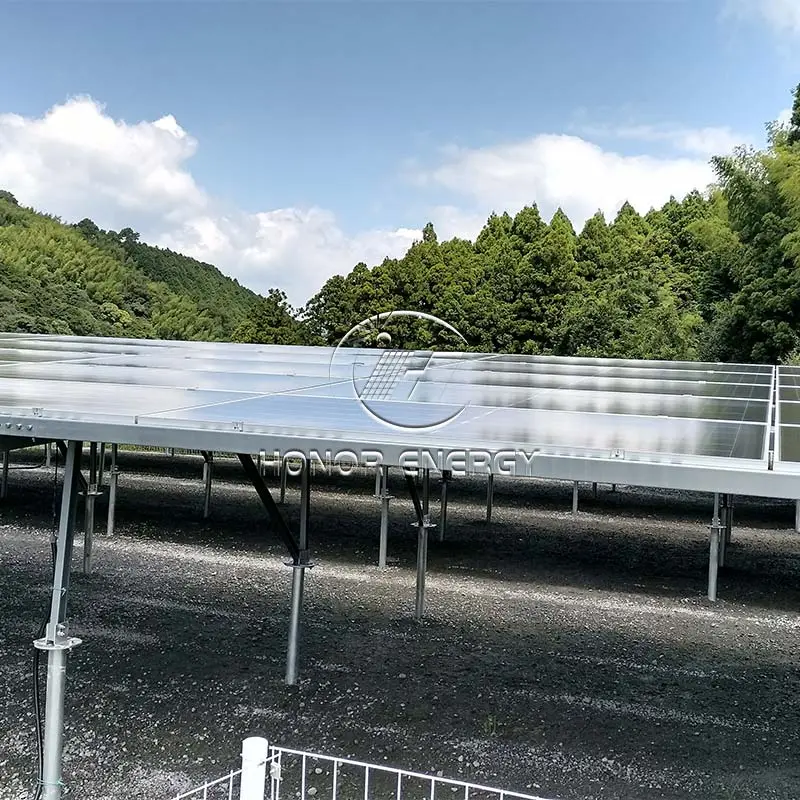
Foundation choice is where many projects quietly win or lose money. A beautiful structural drawing does not help much if the foundation method is wrong for the site. In practical procurement discussions, screw pile systems and concrete foundations are among the most common options for a Solar Ground Mount.
Screw pile solutions are often appreciated because they can simplify installation and reduce foundation work on suitable ground. They can be especially useful when speed matters and the terrain allows pile driving. Concrete foundations, by contrast, are often chosen when buyers want a highly stable base and have the site conditions, equipment, and schedule to support that approach.
- Screw pile systems are often valued for faster site work and lower wet construction complexity.
- Concrete foundations may be preferred for projects demanding a very solid and familiar support base.
- Adjustable designs can help optimize tilt and accommodate changing site conditions.
- Single-post or specialized layouts may help in projects with space limitations or unique land arrangements.
Before making a decision, I would always ask for a site-specific evaluation. Soil type, frost depth, slope, drainage, and local weather conditions should guide the recommendation. A supplier that jumps to a standard answer without learning your project details is usually giving you convenience, not expertise.
How Does Good Structural Design Reduce Hidden Costs?
Most buyers naturally compare visible costs first. I understand that. But the more experienced I become, the more I pay attention to hidden costs. A thoughtfully engineered Solar Ground Mount can reduce those hidden expenses in ways that matter over the entire project lifecycle.
For example, a design that simplifies assembly can reduce labor hours. A layout that improves alignment can lower installation error rates. A structure that gives technicians easier access may save time during inspection and maintenance. These are not dramatic marketing claims. They are the small operational advantages that accumulate month after month.
- Fewer installation mistakes because components fit logically
- Shorter construction periods due to easier assembly flow
- Lower maintenance disruption when access is well planned
- Better lifecycle confidence when corrosion and durability are considered early
- More predictable procurement when technical documents are complete and clear
This is also where supplier support matters. A company that can discuss design, material, customization, and installation guidance in one conversation is far more useful than one that only sends a basic price sheet.
What Should You Check Before Sending an Inquiry?
I always recommend that buyers organize their project data before requesting a quote. The clearer your inquiry, the better the response quality. If your message only says “need ground mount price,” you will probably receive a generic offer. If your inquiry includes technical details, you are more likely to get a relevant proposal.
- Project location and climate conditions
- Soil information or geotechnical data if available
- Module size, quantity, and layout preferences
- Desired tilt angle and ground clearance
- Wind and snow load requirements
- Preferred material: steel, aluminum, or open to recommendation
- Foundation preference: screw pile, concrete, or site-dependent suggestion
- Timeline, target budget, and expected shipment requirements
When buyers provide this information early, suppliers such as Xiamen Honor Energy Co.,Ltd. can respond in a way that feels far more practical. Instead of pushing a one-size-fits-all offer, they can discuss structural direction, material fit, installation implications, and customization possibilities in a more useful way.
Which Factors Should Be Compared Side by Side?
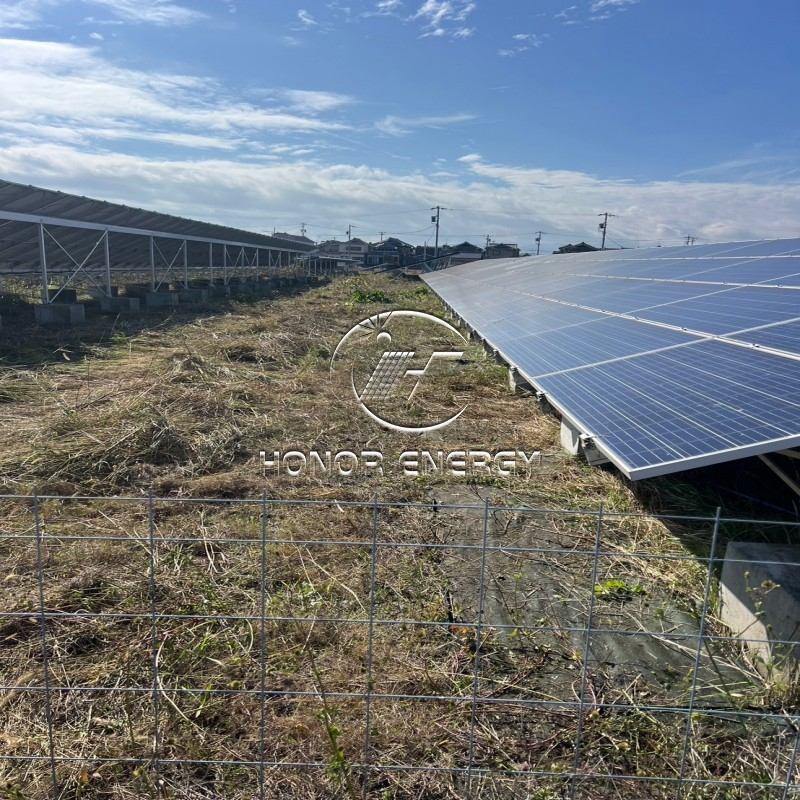
If I were comparing suppliers for a Solar Ground Mount purchase, I would not focus only on unit price. I would compare the full proposal. That includes engineering clarity, installation logic, material explanation, customization flexibility, and service responsiveness.
| Comparison Point | Why It Matters | What I Would Look For |
|---|---|---|
| Material Recommendation | Impacts durability, weight, and budget | A reasoned explanation, not a generic suggestion |
| Foundation Proposal | Affects installation speed and site compatibility | Alignment with actual terrain and soil conditions |
| Engineering Support | Reduces risk during design and installation | Clear drawings, load considerations, and communication |
| Installation Efficiency | Influences labor cost and project schedule | Logical component design and simple assembly flow |
| Customization Ability | Important for non-standard or complex projects | Willingness to adapt structure details to site needs |
| Service Response | Critical when questions appear during execution | Fast, informed, and solution-oriented communication |
In other words, the best quote is not always the cheapest one. The best quote is the one that helps the project move forward with the least friction and the most confidence.
FAQ
Q1: What is the biggest mistake buyers make when choosing a Solar Ground Mount?
The biggest mistake is treating the mounting system like a minor accessory rather than a core structural component. Buyers sometimes focus on the initial price and ignore installation efficiency, durability, and site compatibility.
Q2: Is steel always cheaper than aluminum?
Not always in the full-project sense. Steel may appear attractive on material cost, but transport, installation effort, corrosion environment, and lifecycle expectations all affect the real value of the choice.
Q3: Are screw pile foundations always better?
No. They can be highly practical on suitable sites, but the correct choice depends on soil conditions, project design, local regulations, and construction planning.
Q4: Can a Solar Ground Mount be customized for unusual terrain?
Yes, many projects require some level of customization. That is why it is important to work with a supplier that understands structural adaptation rather than only standard catalog products.
Q5: Why does supplier communication matter so much?
Because procurement rarely ends with the first quotation. Questions about tilt angle, layout, foundation, shipping, and installation often appear later. A responsive supplier saves time and reduces stress.
Why Is It Smart to Contact a Qualified Supplier Early?
A successful solar project does not begin when the panels arrive. It begins when the right technical decisions are made early enough to prevent avoidable problems. That is why I believe buyers should start discussions with experienced suppliers as soon as the project basics are known. The earlier you clarify site conditions, structural direction, material preference, and installation goals, the easier it becomes to choose the right Solar Ground Mount solution.
If you are comparing options for an upcoming solar project and want a solution that balances structural reliability, installation practicality, and long-term value, this is the right time to move the conversation forward. Xiamen Honor Energy Co.,Ltd. can support you with product insight, technical discussion, and project-oriented recommendations. Contact us today to explore the most suitable ground mounting solution for your project and turn your inquiry into a more confident purchasing decision.
Related News
- Why Balcony PV Is Reshaping Europe's Energy Landscape
- Solar Carport Market Diversifies: Single Post, double post, and Double-Wing Designs – Which Will Dominate?
- Fixed Mounting Structures at WFES Abu Dhabi 2026 – Exhibition Highlights
- The Material Debate in Solar Carport Mounting: Why Steel Remains the Most Reliable Choice?
- Focus on RE+ 2026
- Innovation in PV Mounting Systems Takes Center Stage at Smart Energy 2026 in Sydney
Leave me a message