Which Solar Carport Mount Solves Parking Protection and Energy Generation at the Same Time?
Article Summary
A Solar Carport Mount is no longer just a support structure for photovoltaic panels. For many homeowners, commercial property owners, factories, logistics parks, schools, hospitals, and public parking operators, it has become a practical way to turn unused parking areas into productive energy spaces. This article explains how a Solar Carport Mount works, what problems it solves, how to compare steel and aluminum structures, which design details matter before purchasing, and why choosing an experienced manufacturer can reduce long-term project risk. It also discusses key buyer concerns such as waterproof performance, corrosion resistance, wind and snow load, parking layout, installation efficiency, maintenance, and return on usable space.
Table of Contents
- Article Outline
- Why Do Parking Areas Create So Many Hidden Problems?
- What Makes a Solar Carport Mount Different from a Normal Carport?
- How Does a Solar Carport Mount Help Buyers Solve Practical Problems?
- Which Structure Should Buyers Consider for Different Sites?
- How Do Steel and Aluminum Solar Carport Mounts Compare?
- What Should Buyers Check Before Choosing a Solar Carport Mount?
- Why Does Manufacturer Experience Matter?
- FAQ
- Conclusion
Article Outline
- Understand the real challenges of open parking areas, including heat exposure, rain, inefficient land use, and rising electricity demand.
- Explain how a Solar Carport Mount combines vehicle protection with photovoltaic power generation.
- Compare common structural options such as single-post, double-wing, four-post, Y type, W type, and IV type designs.
- Discuss steel and aluminum material choices based on strength, corrosion resistance, budget, and project environment.
- Provide a practical checklist for buyers who need stable installation, clean drainage, easy maintenance, and reliable long-term performance.
- Answer common purchasing questions from project owners, EPC contractors, distributors, and commercial property managers.
Why Do Parking Areas Create So Many Hidden Problems?
Parking lots often look simple from the outside, but anyone responsible for managing them knows the problems appear quickly. Vehicles sit under direct sunlight for hours. Interior temperatures rise. Paint, rubber seals, dashboards, and electronic parts age faster. In rainy seasons, uncovered parking spaces become inconvenient for drivers and visitors. In commercial sites, poor parking comfort can even affect the overall impression of the property.
At the same time, many parking areas occupy valuable land without producing any direct value. A large open parking lot may serve vehicles during working hours, but its roof space is completely unused because there is no roof at all. For factories, shopping centers, office parks, transport hubs, and public facilities, this means one thing: the site has potential, but the structure has not been upgraded to capture it.
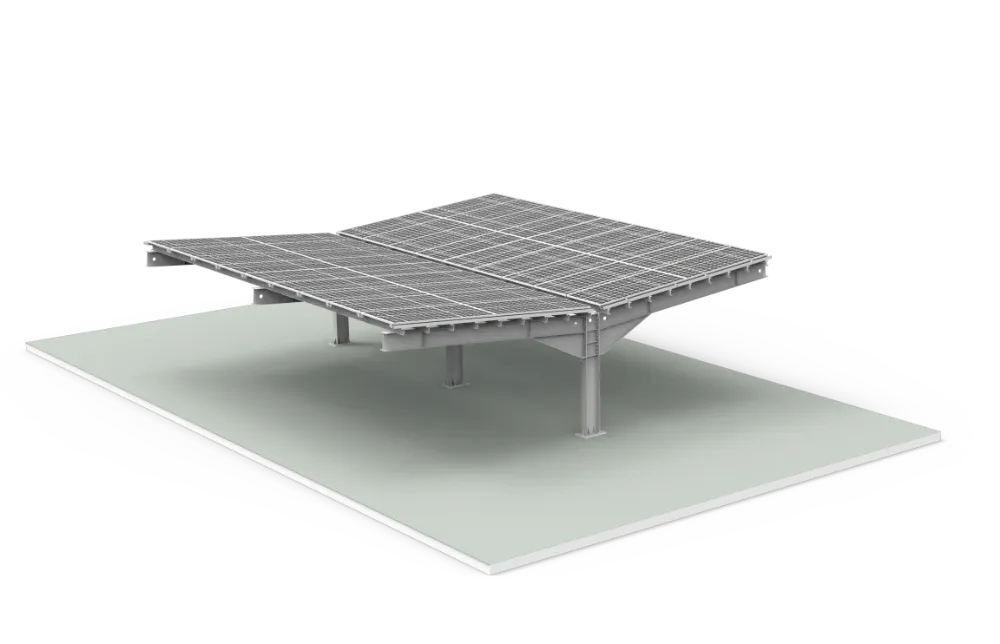
A Solar Carport Mount addresses this exact gap. Instead of treating a carport as a basic shelter, it turns the parking area into a small power generation zone. The structure supports solar panels above the vehicles while keeping the parking function below. This dual-use model is especially attractive when land is limited, electricity costs are rising, and property owners want visible improvements without sacrificing existing parking capacity.
For many buyers, the question is not simply whether solar energy is useful. The real question is whether the installation can protect vehicles, fit the parking layout, remain stable in local weather, and deliver long-term value without creating maintenance trouble.
What Makes a Solar Carport Mount Different from a Normal Carport?
A normal carport mainly provides shade and rain protection. Its structure is designed to carry roofing materials, not necessarily photovoltaic panels. A Solar Carport Mount must do more. It needs to support solar modules, manage loads from wind and snow, allow correct panel angles, guide rainwater properly, and maintain enough space for vehicles and pedestrians.
This is why the mounting system matters. The posts, beams, rails, clamps, fasteners, waterproof design, and foundation method all influence the final result. A weak or poorly planned structure can cause problems during installation, reduce panel performance, create leakage issues, or make future maintenance inconvenient.
A well-designed Solar Carport Mount considers both energy and daily use. Drivers still need comfortable access. Vehicles need enough clearance. The structure must not block turning paths or reduce parking efficiency. For public or commercial parking areas, the carport also affects the visual appearance of the whole site, so design shape and finish quality are not minor details.
How Does a Solar Carport Mount Help Buyers Solve Practical Problems?
The biggest advantage of a Solar Carport Mount is its ability to solve several problems at once. For buyers, this matters because most projects are restricted by budget, space, time, and approval requirements. A solution that performs only one function may not be enough. A solar carport structure gives the parking area a second purpose while improving the daily experience for drivers.
- Vehicle protection: It helps shield vehicles from direct sun, rain, and falling debris, improving parking comfort and reducing exposure-related wear.
- Better land use: Existing parking areas can be upgraded without purchasing additional land for a ground-mounted solar project.
- Energy generation: The mounted solar panels can support on-site electricity consumption, EV charging, lighting, or other facility needs depending on system design.
- Professional site image: A neat photovoltaic carport can make a property look more modern, organized, and environmentally responsible.
- Flexible project scale: The system can be designed for residential parking, small business lots, commercial fleets, industrial parks, or large public spaces.
- Future-ready parking: As electric vehicle use increases, carport solar systems can be planned together with charging infrastructure.
For project owners who are comparing different solar solutions, the Solar Carport Mount often stands out because it does not compete with the original parking function. It improves the parking area rather than replacing it.
Which Structure Should Buyers Consider for Different Sites?
Different parking areas need different structural layouts. A small private parking space does not have the same requirements as a commercial vehicle yard. A hotel entrance, factory parking zone, logistics park, school parking area, and highway service station may all require different post positions, span lengths, waterproof treatment, and appearance styles.
Xiamen Honor Energy Co.,Ltd. provides Solar Carport Mount solutions that can be adapted to various parking scenarios, including steel and aluminum options with different structural forms. When choosing a design, buyers should focus less on appearance alone and more on how the structure matches the site’s actual movement, drainage, parking density, and load requirements.
| Structure Type | Suitable Application | Main Buyer Concern It Solves |
|---|---|---|
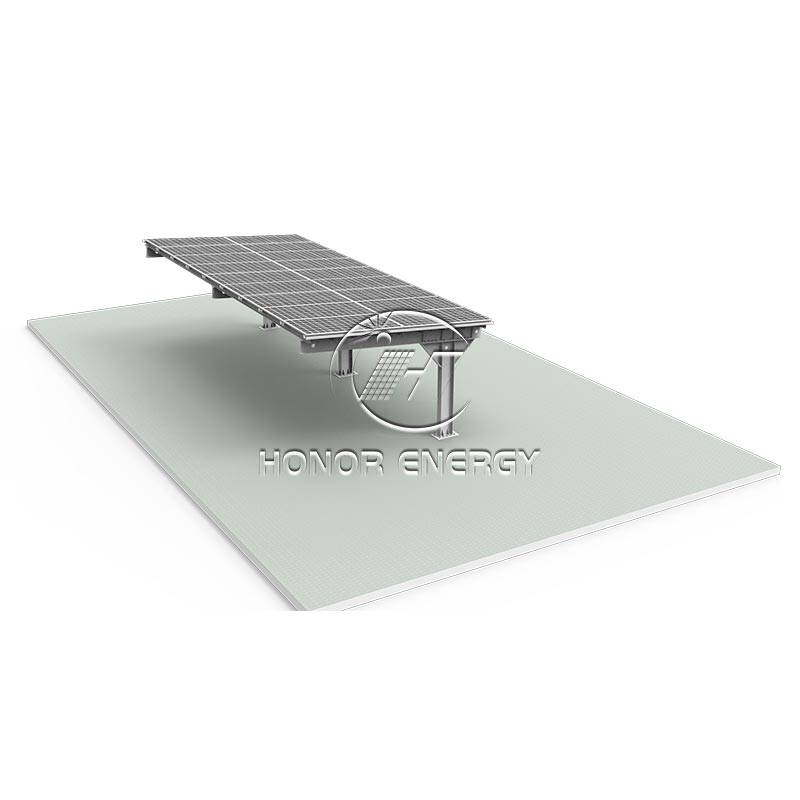
| Single-post Solar Carport Mount | Small parking spaces, residential lots, compact business areas | Reduces obstruction and helps save ground space while supporting solar panels above vehicles. |
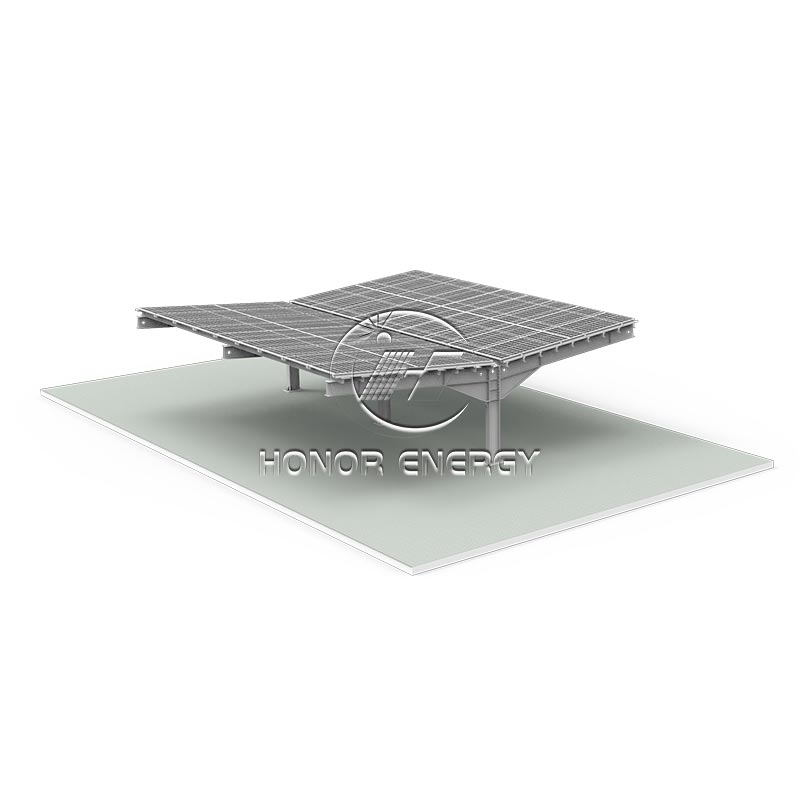
| Double-wing Solar Carport Mount | Two-side parking rows, commercial lots, company parking areas | Improves coverage efficiency and supports a more balanced layout for multiple vehicles. |
| Four-post Solar Carport Mount | Larger parking lots, fleet parking, public parking zones | Offers strong support and stable load distribution for wider applications. |
| Y Type Solar Carport Mount | Projects needing a modern appearance and open vehicle access | Combines visual appeal with practical space use and convenient parking movement. |
| W Type Solar Carport Mount | Commercial or industrial projects requiring higher coverage | Supports broader panel layout and can help improve shade and generation area. |
| IV Type Solar Carport Mount | Sites requiring distinctive structure and stable panel support | Balances structural design, parking function, and photovoltaic installation needs. |
The right choice depends on site measurement, vehicle type, local weather, expected solar capacity, and whether the parking lot needs waterproof performance. A buyer who only compares unit price may miss important details that affect installation speed and long-term maintenance.
How Do Steel and Aluminum Solar Carport Mounts Compare?
Material selection is one of the most important decisions in a Solar Carport Mount project. Steel and aluminum both have strong advantages, but they suit different priorities. Steel is often chosen for strength, rigidity, and large-span support. Aluminum is valued for its lighter weight, corrosion resistance, and clean appearance.
In coastal areas, humid regions, or sites exposed to frequent rain, corrosion resistance becomes a major consideration. In large commercial projects, structural strength and cost control may be more important. In premium public-facing spaces, the visual finish may also influence the final choice.
| Material | Strengths | Best For | Buyer Notes |
|---|---|---|---|
| Carbon Steel | Strong load-bearing capacity, stable structure, suitable for large projects | Commercial parking lots, industrial sites, multi-vehicle areas, high-load designs | Surface treatment and anti-corrosion process should be checked carefully before purchase. |
| Aluminum Alloy | Lightweight, corrosion-resistant, easier handling, clean appearance | Humid areas, coastal projects, residential or commercial sites requiring refined appearance | Buyers should confirm structural calculations and fastening quality for the planned panel layout. |
Neither material is automatically better in every case. A reliable supplier should help buyers compare the project environment, budget, span, load demand, installation method, and expected service life before recommending a structure.
What Should Buyers Check Before Choosing a Solar Carport Mount?
A Solar Carport Mount is a long-term outdoor structure, so the purchasing decision should not be rushed. The lowest quotation can become expensive if the design causes installation delays, poor drainage, weak stability, or frequent maintenance. Before confirming an order, buyers should review both product details and project conditions.
- Site layout: Confirm parking direction, vehicle size, turning space, walking routes, and post positions. The structure should not make parking inconvenient.
- Local weather: Wind speed, snow load, rainfall, humidity, and corrosion environment should influence structure and material choice.
- Foundation method: Ground conditions affect whether concrete foundations, ground screws, or other anchoring methods are suitable.
- Waterproof design: For many carport projects, rainwater control is a practical comfort issue. Buyers should ask how water is guided away from vehicles and walkways.
- Panel arrangement: The mount should support the required module size, orientation, tilt angle, and wiring plan.
- Installation efficiency: Pre-assembled components and clear installation drawings can reduce labor time and site confusion.
- Maintenance access: The design should allow inspection, cleaning, and repair without making the parking area difficult to manage.
- Supplier support: Technical guidance, customization ability, packing quality, and export experience all affect the final project experience.
Buyers should also consider whether the carport will later support EV chargers, lighting, surveillance equipment, or battery storage. Planning these possibilities early can prevent costly modifications in the future.
Why Does Manufacturer Experience Matter?
Solar mounting projects are not only about selling metal parts. They require engineering judgment, production consistency, packaging control, and communication between the supplier, buyer, installer, and project owner. A small mistake in component matching can delay the installation site. A missing fastener or unclear drawing can create unnecessary labor costs.
This is where manufacturer experience becomes important. Xiamen Honor Energy Co.,Ltd. works in solar mounting system solutions and offers different Solar Carport Mount options for residential, commercial, and industrial applications. For buyers who need customized structures, the supplier’s ability to understand drawings, site requirements, material selection, and project use scenarios is essential.
A capable manufacturer should not push one structure for every buyer. Instead, it should help identify whether the site needs a compact single-post design, a stronger four-post design, a waterproof double-wing layout, or a more visually distinctive Y type or W type structure. This practical matching process is what helps buyers reduce risk before installation begins.
A good Solar Carport Mount supplier should help buyers answer three questions clearly: Will the structure fit the site? Will it perform safely in local conditions? Will it remain convenient to use after installation?
FAQ
1. Is a Solar Carport Mount suitable for both residential and commercial projects?
Yes. A Solar Carport Mount can be designed for small residential parking spaces, business parking areas, industrial parks, public facilities, and large commercial lots. The structure type, material, foundation, and panel arrangement should be selected according to the actual site conditions.
2. Can a Solar Carport Mount protect vehicles from rain?
It can provide shade and rain protection when designed with suitable coverage and waterproof treatment. Buyers who care about rainy-day comfort should discuss waterproof rails, drainage paths, panel gaps, and rainwater collection details before confirming the design.
3. Should I choose steel or aluminum for my Solar Carport Mount?
Steel is often preferred for strong load-bearing performance and larger commercial structures. Aluminum is a good choice when corrosion resistance, lighter weight, and appearance are important. The best choice depends on project location, weather, budget, and structural requirements.
4. Does the carport structure affect solar panel performance?
Yes. The structure affects panel angle, orientation, spacing, ventilation, and installation stability. A well-planned Solar Carport Mount helps panels remain properly positioned while keeping the parking area functional.
5. Can solar carports work with EV charging stations?
Yes, many projects plan solar carports together with EV charging. The electrical design should be handled by qualified professionals, and the mounting structure should be planned early to leave space for cables, chargers, lighting, and maintenance access.
6. What information should I prepare before asking for a quotation?
Buyers should prepare site dimensions, parking layout, vehicle type, local wind and snow requirements, preferred material, solar panel size, expected capacity, foundation condition, and any waterproof or EV charging needs. Clear information helps the supplier recommend a more accurate solution.
Conclusion
A Solar Carport Mount is a smart solution for buyers who want more from their parking spaces. It protects vehicles, improves site appearance, supports clean power generation, and makes better use of existing land. For commercial property owners, factories, schools, logistics centers, public facilities, and residential users, it can turn an ordinary parking area into a functional energy asset.
The key is choosing the right structure, material, and supplier. Buyers should look beyond the surface and consider load capacity, corrosion resistance, waterproof performance, installation efficiency, parking convenience, and long-term maintenance. A strong Solar Carport Mount should not only hold solar panels; it should make the whole parking area safer, more useful, and more valuable.
Ready to Build a More Valuable Parking Area?
If you are planning a residential, commercial, or industrial Solar Carport Mount project, Xiamen Honor Energy Co.,Ltd. can help you review your site needs and explore a suitable mounting solution. Share your project details with our team today, and contact us to discuss a practical solar carport structure that fits your parking layout, local environment, and long-term energy goals.
Related News
- Why Balcony PV Is Reshaping Europe's Energy Landscape
- Solar Carport Market Diversifies: Single Post, double post, and Double-Wing Designs – Which Will Dominate?
- Fixed Mounting Structures at WFES Abu Dhabi 2026 – Exhibition Highlights
- The Material Debate in Solar Carport Mounting: Why Steel Remains the Most Reliable Choice?
- Focus on RE+ 2026
- Innovation in PV Mounting Systems Takes Center Stage at Smart Energy 2026 in Sydney
Leave me a message