5kWh Battery: One Capacity, Many Homes
Electricity prices are rising. Grids are aging. Extreme weather is becoming routine. This isn’t one country’s problem—it’s happening everywhere. A 5kWh battery isn’t too big or too small. It’s sized for what an average household actually needs most of the time.
But “average household” doesn’t really exist. A London flat, a California bungalow, a Southeast Asian townhouse, an Australian farm cottage—different spaces, different habits, different reasons for buying storage. Xiamen Honor Energy offers 5kWh in three forms—wall-mounted, floor-standing, and rack-mounted—not to confuse you, but so you can pick the one that fits your actual walls, floors, or cabinets.
Let’s walk through the main household types. See which one sounds like you.
City Apartment Dwellers — Space Costs More Than Electricity
For apartment residents, the biggest headache isn’t the bill—it’s finding room for another box. The kitchen is already cramped, the balcony is cluttered, and the walls are taken by water heaters and AC units. Your first thought when considering a battery is: “Where on earth would I put it?”
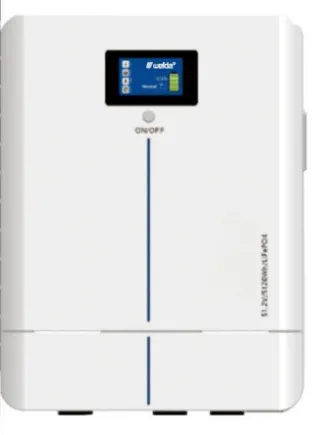
Wall-mounted is made for this. A flat cabinet fixed to a load-bearing wall, like a slightly oversized electric water heater. Zero floor space. Hallway side walls, balcony structural walls, even the blank wall above the washing machine—if it’s solid concrete or brick, it can hold one.
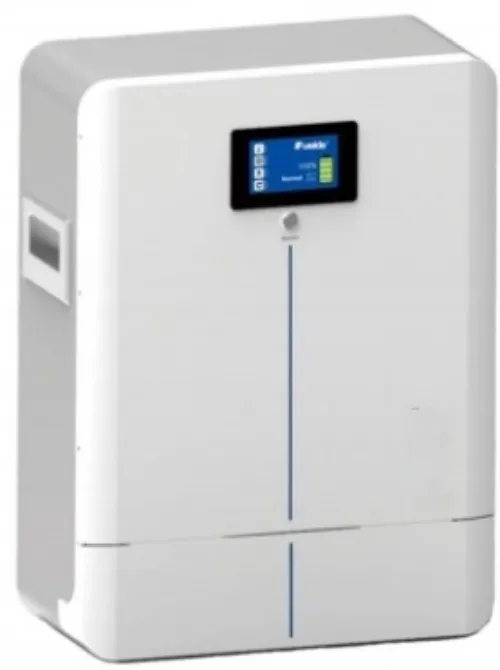
What it does for you: Charge overnight at cheap rates, discharge during peak hours. In cities with time-of-use pricing—London, Berlin, Tokyo, Shanghai, you name it—the annual savings easily cover a few nice dinners out. And while city grids are generally reliable, they’re not invincible. Extreme rain, heat-wave curtailments, construction crews cutting cables—it happens every year. When the power drops, this battery switches in under 10 milliseconds. Your fridge stays cold. Your Wi Fi stays on. If you have kids or elderly parents at home, that night-time lighting security is something you can’t put a price on.
Why it works: Takes no floor space, stays out of sight, does its job quietly. You forget it’s there until the grid fails—and then it carries you through.
Detached Homeowners — Roof Space, Floor Space, and a Plan
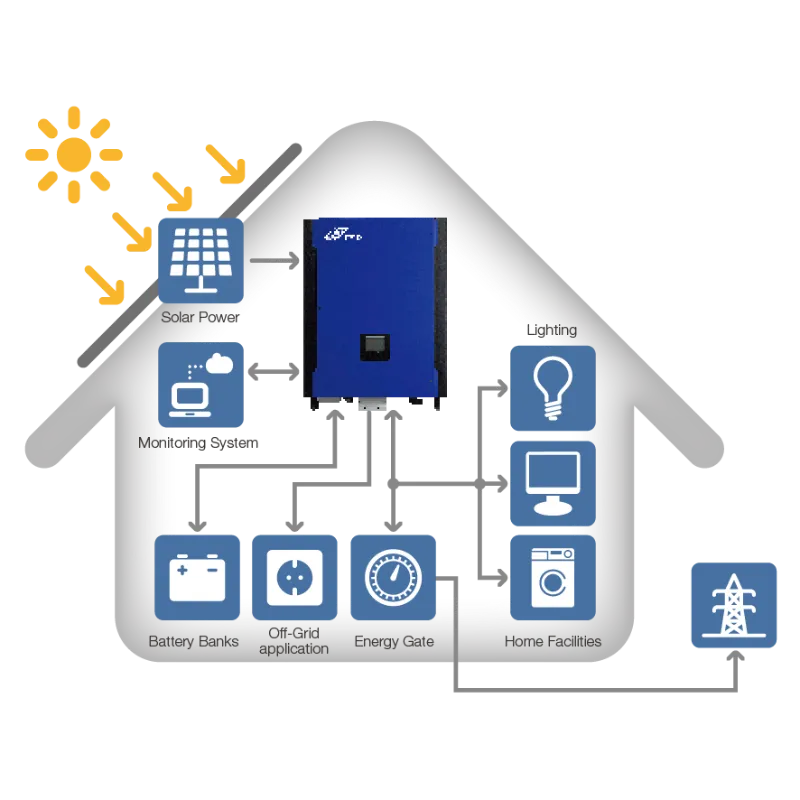
People in detached houses usually have two things apartment dwellers don’t: more roof for solar panels, and more floor space for equipment. Many already have solar, or are planning to. But without storage, you sell your daytime generation at a low feed-in tariff and buy it back at night at a much higher rate. That’s not saving—that’s losing twice.
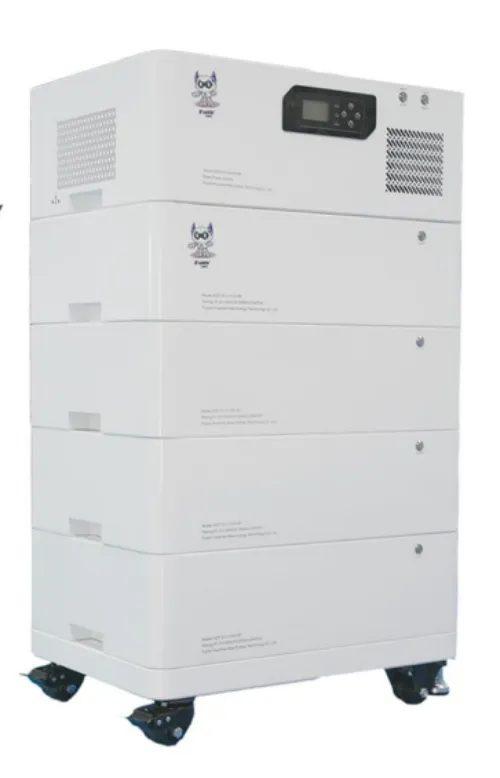
Floor-standing is the natural choice here. A cabinet about the size of a mini fridge, tucked into a utility room, basement, garage corner, or storage area. Start at 5kWh. If you later add an EV, a heat pump, or your kids grow up and consume more power, just stack a second unit right next to it—no re-wiring, no new mounting.
What it does for you: Store your daytime solar and use it in the evening. Self-consumption jumps from roughly 35% to over 70%. With solar, that adds another £350–£450 (or equivalent in euros, dollars, or Australian dollars) in annual savings. Also, detached homes often suffer most during outages—no shared heating, well pumps need power, heating systems need circulation, even electric gate locks stop working. A 5kWh battery keeps your heating pump, fridge, and a few lights running through the night until dawn or until the grid comes back.
Why it works: Saves money, expands easily, and keeps you comfortable during blackouts. Floor-standing is also the easiest to maintain—everything is at waist height. No ladders, no stretching.
Small Farms or Remote Properties — Where the Grid Doesn’t Reach
This isn’t a common case, but when it applies, storage isn’t about saving money—it’s about having power at all.
Rural grids are often weak. Voltage fluctuates. Outages are frequent—sometimes several times a day, for hours at a time. Solar panels are your primary source, but at night, the battery is your only source.
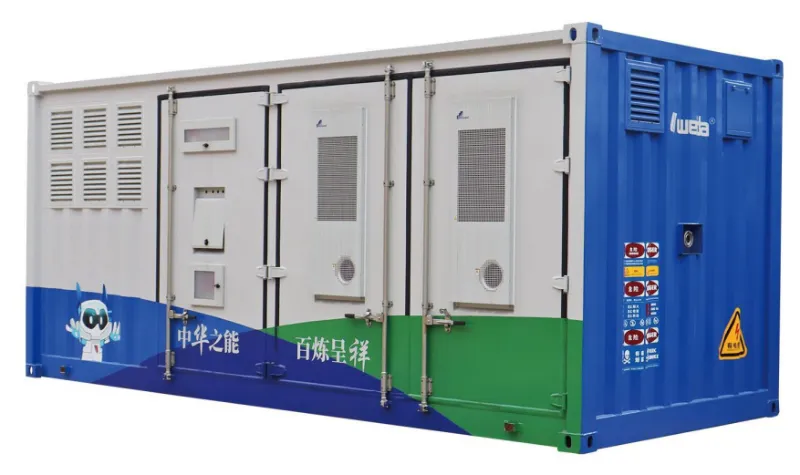
Floor-standing or wall-mounted (if space is tight) works here. Farms usually have plenty of room, so floor-standing is more common—and you can scale from 5kWh to 10kWh or 15kWh as needed.
What it does for you: Charge from solar during the day, discharge at night. Keep the basics running—fridge, water pump, communication devices, a few LED lights. Together, these draw well under 5kWh over 8 to 12 hours. If you hit a stretch of cloudy days, the battery can also top up from the grid (even an unstable one) to stretch until the sun returns.
Why it works: This isn’t about return on investment. It’s about whether the lights come on at all. With this battery, your phone charges at night, your water pump works, and your kids can do their homework.
Households with Critical Backup Needs — It’s Not About Money, It’s About Peace of Mind
Some households don’t have high electricity bills. They don’t have solar. But they refuse to be helpless when the grid drops. Maybe someone relies on medical equipment—a ventilator, an oxygen concentrator, or insulin refrigeration. Maybe you work from home and losing connection means losing clients. Maybe you’ve just been through a couple of blackouts and decided “never again.”
Wall-mounted is the cleanest fit—no floor space, installed right next to the main meter, minimal renovation.
What it does for you: It sits fully charged, waiting. When the grid fails, it switches in milliseconds and keeps critical devices running. A 5kWh battery runs a ventilator for over 30 hours, or keeps a home-office setup (computer, monitor, router) going for a full working day.
Why it works: You’re buying peace of mind. For these households, the payoff isn’t measured in “years to break even.” It’s measured in “how much did I not lose during that one outage.”Small Offices or Shops — Same as a Home, but with a Business AttachedMany of our readers run small businesses—a corner café, a hair salon, a pet store, a small dental practice. Their electricity usage is similar to a household, but an outage costs a lot more: frozen food stock, appointment systems, cash registers, security cameras—all go down at once.
Rack-mounted fits if you already have an IT rack. If not, floor-standing works just fine in a corner.
What it does for you: Time-of-use arbitrage (commercial peak spreads are usually wider than residential). And built-in UPS protection. During an outage, your register stays on, your freezer stays cold, your booking system stays online. 5kWh covers 30 to 60 minutes of emergency runtime—enough to finish with the current customer, save your data, and start a generator if you have one.
Why it works: Saves on bills + protects your income. For a small shop, a 5kWh battery can pay for itself within a year just by shaving peak charges and preventing one or two outage-related losses.
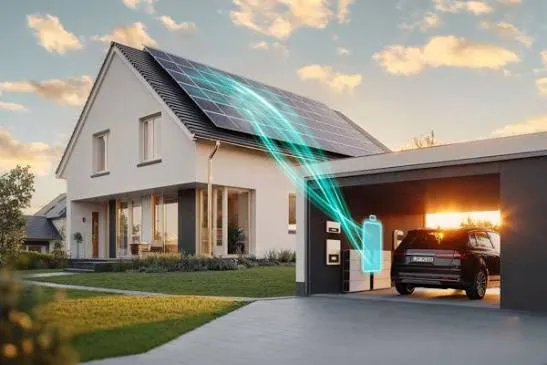
Whatever Your Home Looks Like, the Core Value of 5kWh Is the Same Wall-mounted, floor-standing, rack-mounted—different shapes, same heart. A 5kWh battery doesn’t cut you off from the grid. It just makes you pay a little less, panic a little less, and waste a little less solar power.
It’s not huge, so the barrier is low—affordable, easy to install, doesn’t demand a perfect house.
It’s not tiny, so it’s actually useful—all the essential loads in a normal home, covered.
It grows with you—floor units stack, rack units add U’s, wall units can be upgraded later.
Xiamen Honor Energy puts the choice in your hands. Wall, floor, or rack—one of them will fit your home. And once it does, 5kWh starts working for you, every single day.
Related News
- Solar Carport Market Diversifies: Single Post, double post, and Double-Wing Designs – Which Will Dominate?
- Fixed Mounting Structures at WFES Abu Dhabi 2026 – Exhibition Highlights
- The Material Debate in Solar Carport Mounting: Why Steel Remains the Most Reliable Choice?
- Focus on RE+ 2026
- Innovation in PV Mounting Systems Takes Center Stage at Smart Energy 2026 in Sydney
- Agricultural-PV Mounting Systems: When Solar Power Meets the Soil
Leave me a message