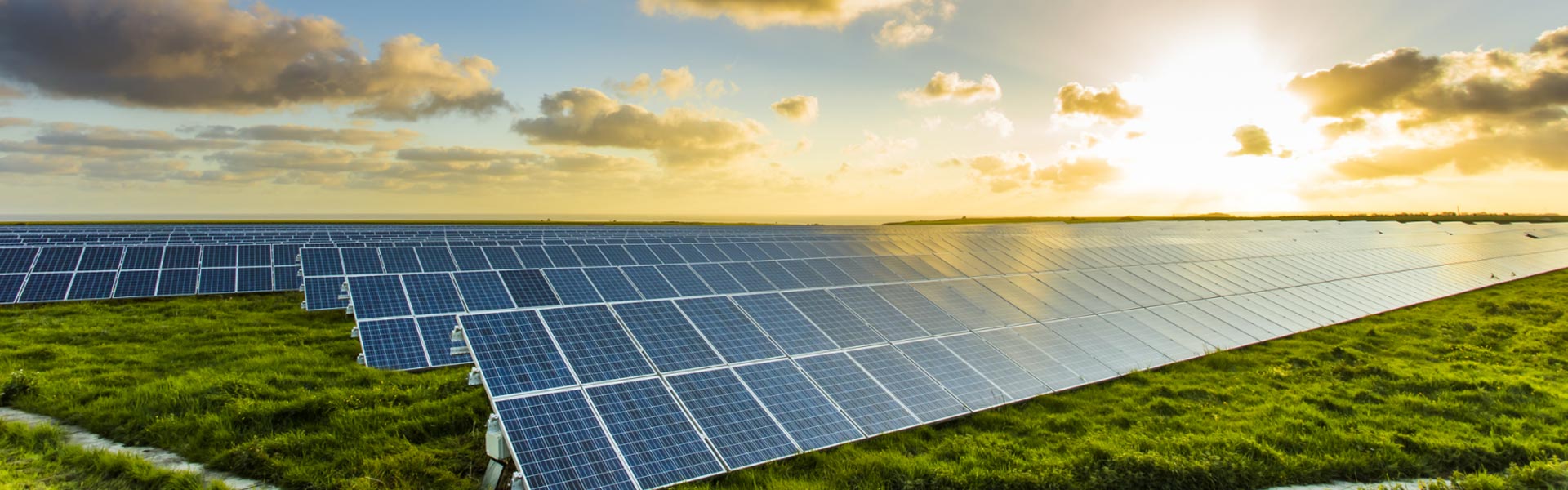
Tracking Systems: Tech Boosts New Energy
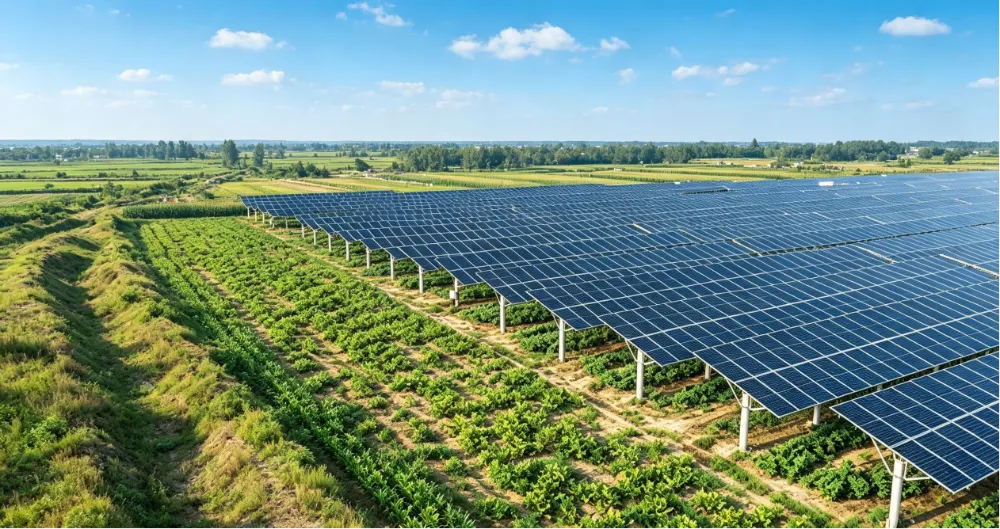
With the increasingly tight resources of flat-land PV power plants, special scenarios such as desert and gobi areas as well as fishery-PV complementary projects have become key focuses for development. The extreme environments and complex requirements of these scenarios place high demands on tracking systems, the core equipment of PV power plants, and technological innovations are enabling these systems to "address challenges with targeted solutions".
Desert and Gobi Scenarios: Dual Breakthroughs in Resistance and Ecology

Core Challenges
Intense sandstorms (over 120 days annually) and extreme temperature differences (-40°C to 70°C) are prone to damaging equipment; the fragile ecology requires strict control of surface disturbance; the sparse population in vast areas drives up operation and maintenance costs, creating an urgent need for "unmanned operation" capabilities.

Innovative Solutions
Sandstorm Resistance: Industry-leading sand-proof and sand-discharging bearing systems form a three-dimensional sand-discharging network through specially designed holes; high-performance tracking systems can withstand winds of up to 22m/s, and five intelligent protection modes maximize operational safety.

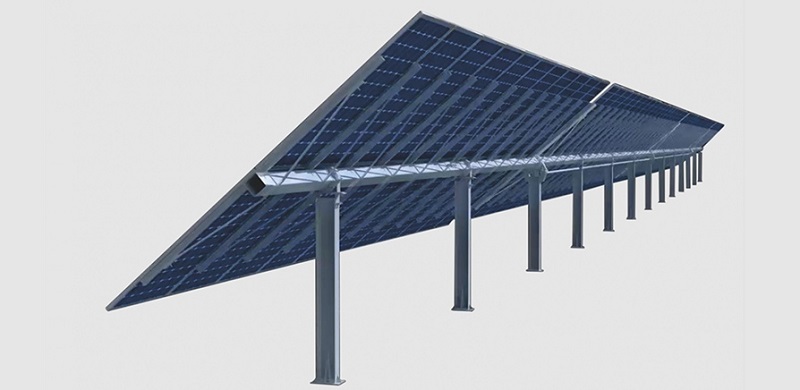
Ecological Protection: The "terrain-adaptive" solution is compatible with slope ranges of up to 20% (north-south) and 15% (east-west), cutting earthwork volume by over 30%.This flexible support system – it has a 200-meter span and uses fewer columns – really cuts down on disturbance to the desert surface and damage to plants.

Efficiency Enhancement: AI + big data-integrated intelligent tracking algorithms boost power generation by 2%-3% in low light vs. traditional astronomical algorithms, and optimize generation curves per power market price fluctuations to meet market demands.
Fishery-PV Complementary Scenarios: Intelligent Solutions for Corrosion Protection and Foundation Stability
Core Challenges
High-humidity and high-salt environments are prone to corroding metal components; soft geology such as tidal flats and ponds is susceptible to settlement; water-based operations are difficult, resulting in low efficiency of traditional installation and maintenance.

Innovative Solutions
Structural Stability: Long-span flexible tracking systems adopt a combined design of inverted triangular cables and triangular cage-type keels, ensuring structural stability while achieving long-span layout to adapt to complex water terrain.
Corrosion Resistance: Mainstream thickened anti-corrosion coating technology can extend the corrosion resistance life of equipment to 1.5 times the conventional standard; support structures combining high-density polyethylene (HDPE) materials and aluminum alloys effectively enhance corrosion resistance.

Intelligent O&M:Our support systems already have sensing and communication modules built in. Pair 'em with the smart monitoring platform, and they can collect real-time data, adjust angles automatically, and spot faults accurately—all forming a complete "efficient power generation - intelligent adjustment - precise O&M" closed loop.

Three Future Trends
1.Intelligent Deepening (Smart Upgrade): AI and big data will get more integrated—with smart cloud platforms, we can predict how well equipment’s working, and make O&M responses way faster;
2.Material Upgrading: Using new stuff like zinc-aluminum-magnesium steel will make the supports over 30% stronger, and flexible supports will start being used on a bigger scale little by little;
3.Scenario Adaptation: We’ll keep rolling out custom solutions for trickier spots, like mountains or mine pits—and that’ll keep expanding where photovoltaics can be used.
Related News
- Solar Carport Market Diversifies: Single Post, double post, and Double-Wing Designs – Which Will Dominate?
- Fixed Mounting Structures at WFES Abu Dhabi 2026 – Exhibition Highlights
- The Material Debate in Solar Carport Mounting: Why Steel Remains the Most Reliable Choice?
- Focus on RE+ 2026
- Innovation in PV Mounting Systems Takes Center Stage at Smart Energy 2026 in Sydney
- Agricultural-PV Mounting Systems: When Solar Power Meets the Soil
Leave me a message