Critical Snow Load Requirements for Fukushima PV Mounting Projects
As Japan continues to accelerate its carbon neutrality layout, distributed and ground-mounted photovoltaic projects in the Tohoku region have ushered in a steady growth trend. However, heavy snowfall in winter has always been one of the core factors restricting the safe operation and service life of local PV power stations, making professional snow load structural design a necessary prerequisite for project approval and construction.
Recently, the official updated meteorological and structural compliance standards have further clarified the mandatory snow load parameters for PV projects in typical heavy snow areas of Fukushima Prefecture, especially for the mountainous zone of Listel Park in Inawashiro Town. This region belongs to the high-altitude heavy snow accumulation area of northern Japan, which is completely different from the flat and low-snow areas such as Saitama
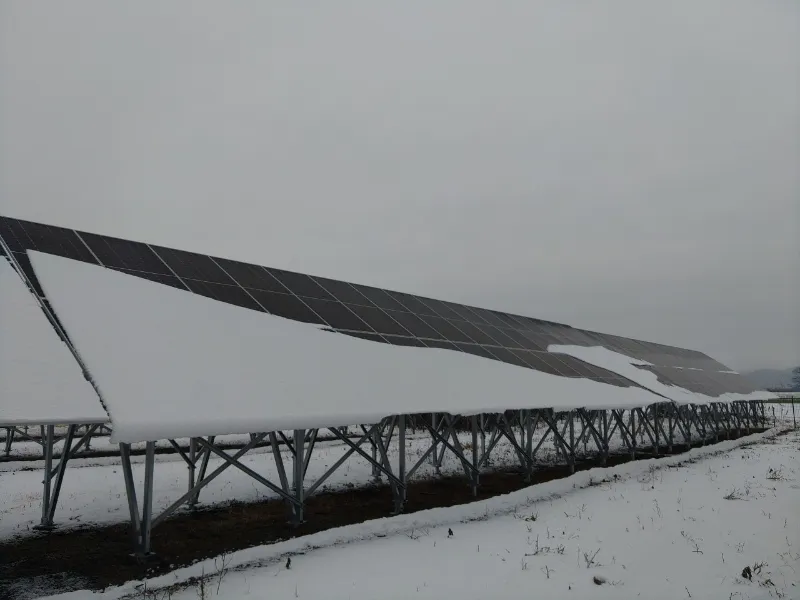
Prefecture and other Kanto plains. According to Japan’s 100-year extreme weather design standard and JIS C 8955 PV support specification, the benchmark vertical snow depth here reaches 150cm.
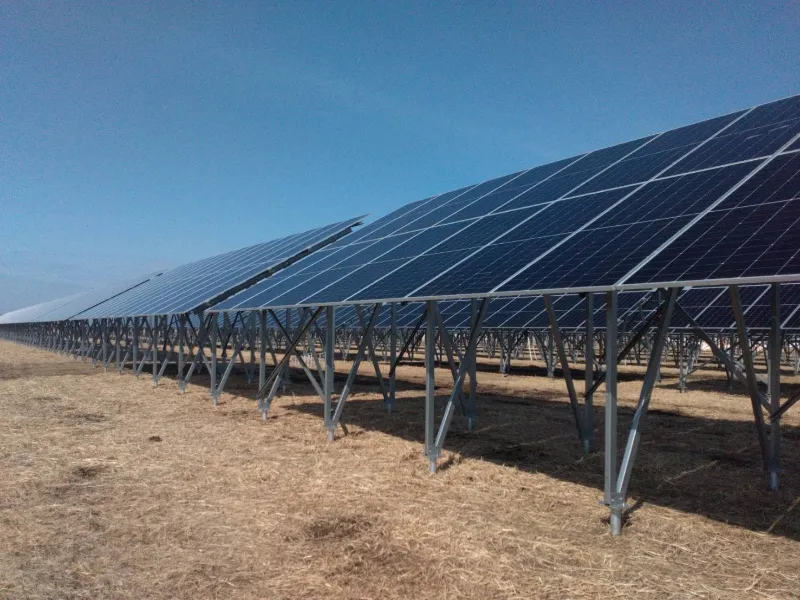
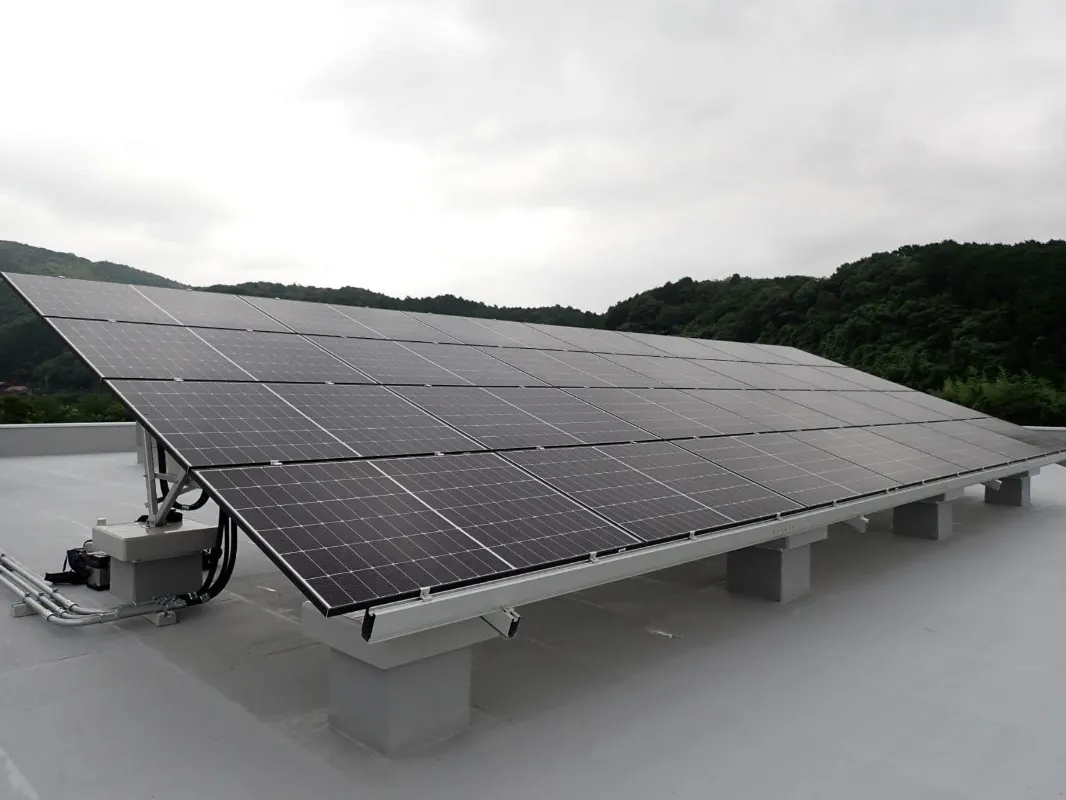
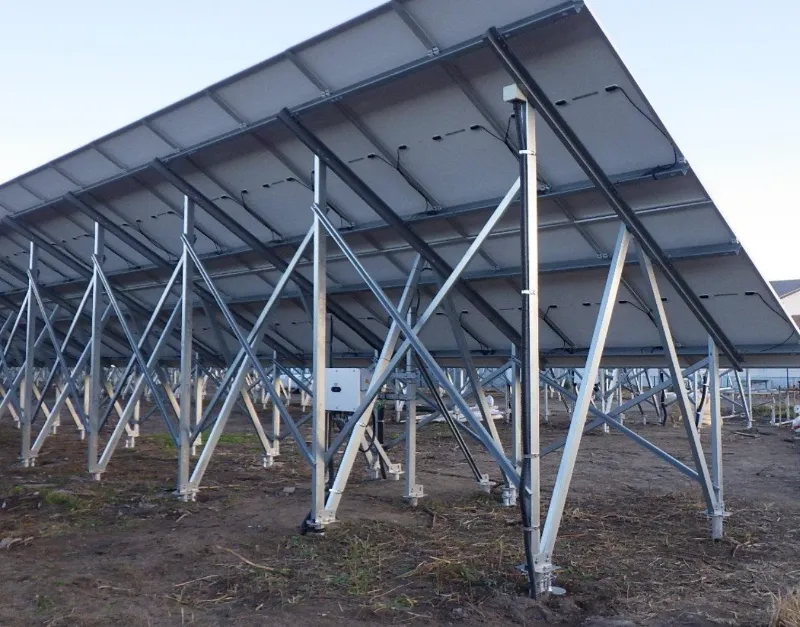
Corresponding to the structural design standard, the ground-mounted solar mounting system must withstand a standard snow load of 3.0kN/㎡. For low-tilt rooftop PV installations with an inclination angle below 15 degrees, snow is difficult to slide off naturally and is prone to long-term accumulation and stacking.
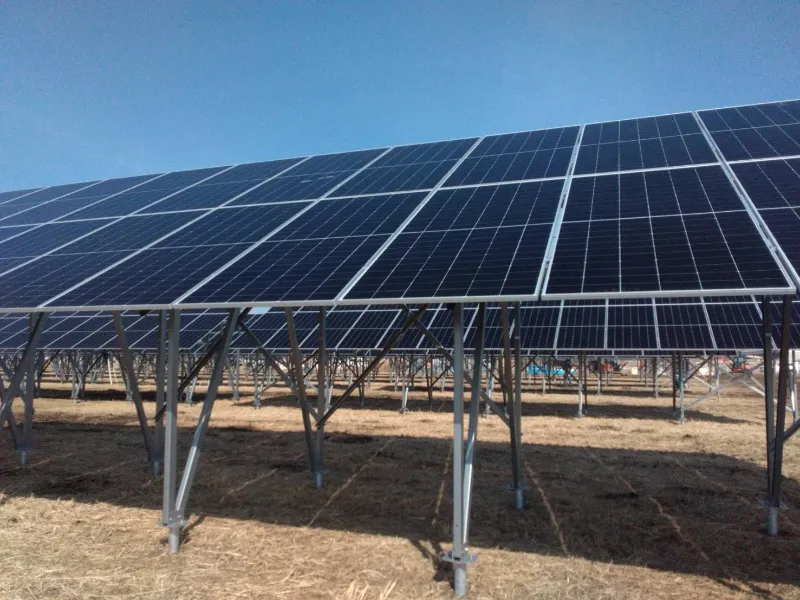
After superimposing the national standard safety factor, the required snow load resistance is increased to 3.75kN/㎡, which puts forward higher requirements for the strength, thickness and overall stability of the mounting structure.
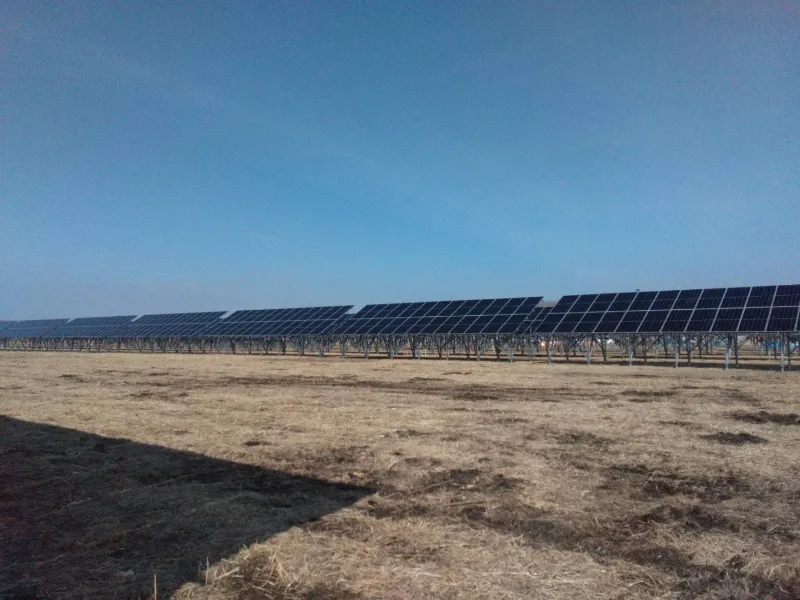
At present, many conventional general-purpose solar brackets on the market only adapt to low-snow working conditions. When applied to Fukushima’s heavy snow areas, they are prone to structural deformation, beam bending, accessory loosening, and even overall collapse in severe cases, causing huge economic losses to power station operation and maintenance.
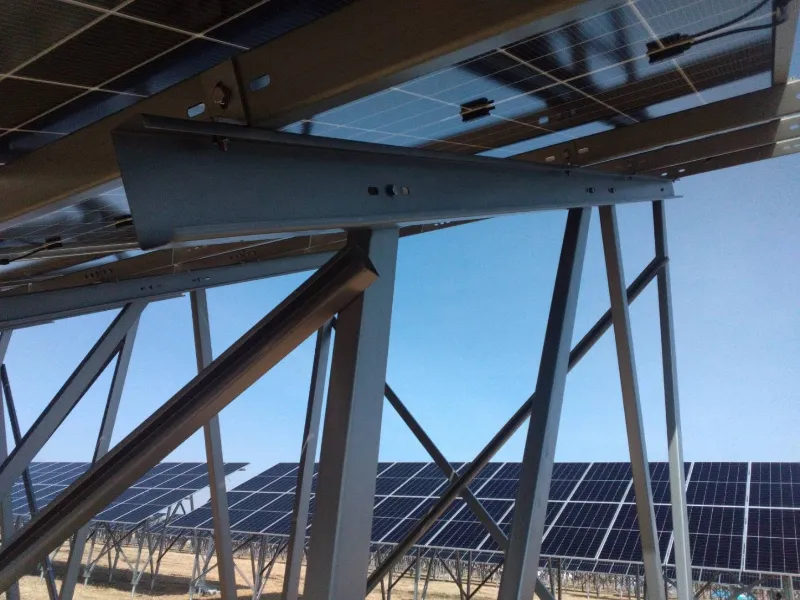
To solve this industry pain point, professional customized heavy-snow PV mounting solutions have become the mainstream choice for local EPC manufacturers and project developers.
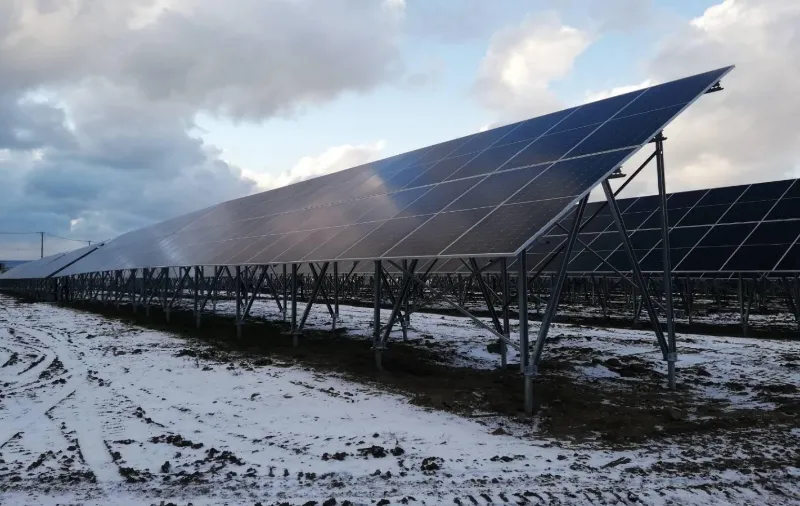
Through optimized overall structural design, thickened high-strength profiles, reinforced connection nodes and professional snow-shedding design, the mounting system can fully resist extreme snow pressure in winter, perfectly meet local official inspection and compliance standards, and ensure long-term stable and safe operation of PV power stations throughout the year.
Related News
- Solar Carport Market Diversifies: Single Post, double post, and Double-Wing Designs – Which Will Dominate?
- Fixed Mounting Structures at WFES Abu Dhabi 2026 – Exhibition Highlights
- The Material Debate in Solar Carport Mounting: Why Steel Remains the Most Reliable Choice?
- Focus on RE+ 2026
- Innovation in PV Mounting Systems Takes Center Stage at Smart Energy 2026 in Sydney
- Agricultural-PV Mounting Systems: When Solar Power Meets the Soil
Leave me a message